Exquisite Hydrology: Valsesia, the Alps and How to Explore Italy Beyond Conventional Itineraries

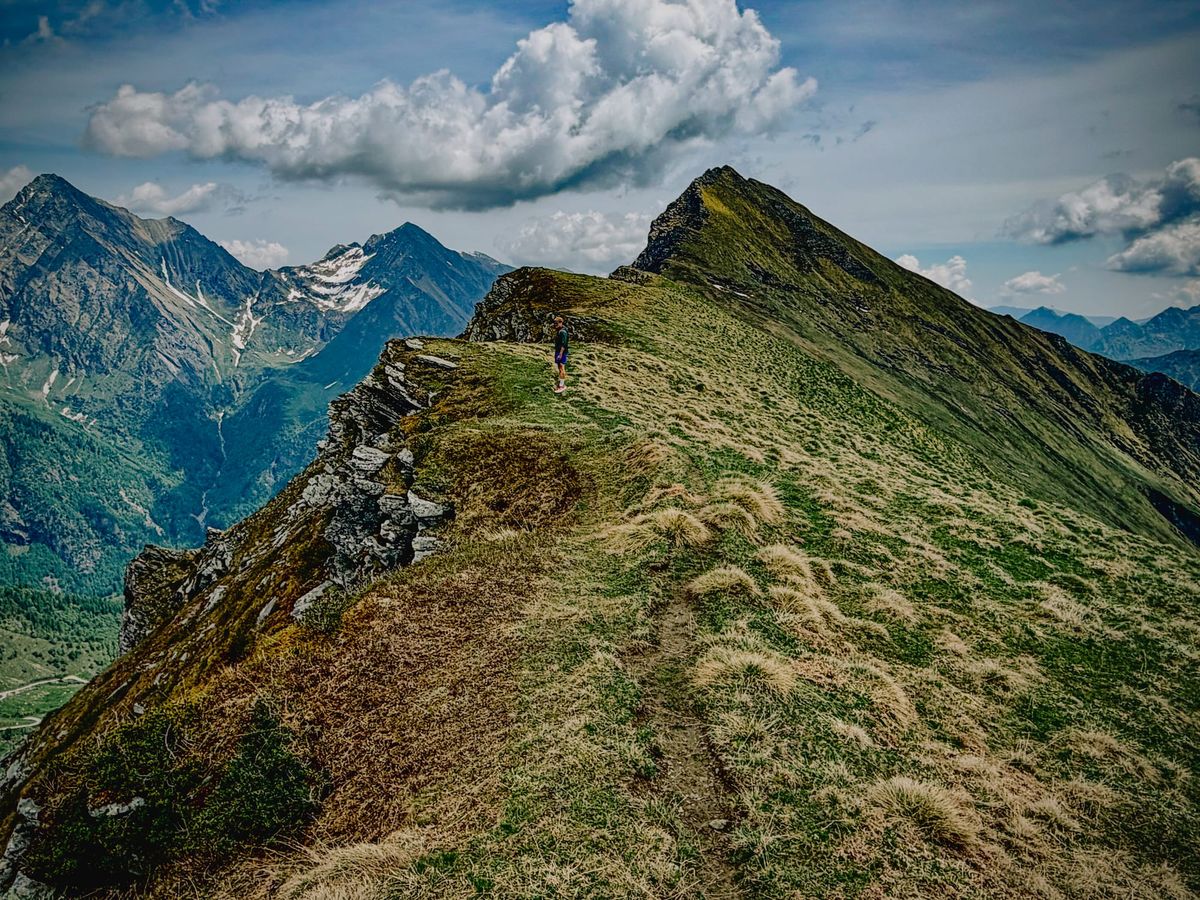
The ancient peaks stand sentry over the valleys. The ridge lines become more faint in the distance, each layer lighter until the distant Alpine profiles appear like mist. Most peaks are capped with snow until June. As the eye travels from peak to snow-packed embankments to scattered forests, rivulets emerge, then streams, then torrents, cascading down into the emerald Sesia river at the valley floor.
Just above the town at the valley’s end, we came across a structure that looked very similar to the traditional houses surrounding it, but from inside you could hear the sound of machinery. Concealed behind the facade was a small-scale hydro plant, making 4.6MW of energy, a relatively quaint amount of power. However, measuring influence by megawatts does not capture the full story. Here in the Italian Alps, the water coursing down the stone is the invisible influence that sculpts life in the valley.
This spring, I traveled to Alagna, Valsesia, seeking trail runs, mountain streams, regional cuisine, and to see the unique pocket of culture known as “Walser,” a reference to the German-Swiss populations that settled the area in the 1200s. My Swedish friend Fredrik, a fellow runner and admirer of Italian culture, decided to join.
We met at an extremely generic conference hotel on the outskirts of Milan, just as a spring thunderstorm broke across the region, making the city’s serpentine roads even more inscrutable. This environment was diametrically in contrast to the one we were about to encounter.
Known as “Valsesia”, the Valley of the Sesia River, begins near Borgosesia, a small town anchored between the foothills of the Alps and the actual hills of Piemonte. At the valley’s entrance, the river calmly fans out, barely revealing the gushing cataracts and thunderous cascate we would find upstream.
Located less than 2 hours from Milano Malpensa airport, the valley is quickly accessible via car. Along Valsesia you will find a series of small towns, often gateways to forested hamlets, rhythmically syncopating the river valley, close to one another, but never dense. While Valsesia is visited by outdoor enthusiasts and Scandinavian tourists, it appears to be quite undervisited compared to other destination cities (or the Dolomites). Later, when one of the hotel concierge was confused about why a resident of Chicago would be visiting, I took this as a positive signal.
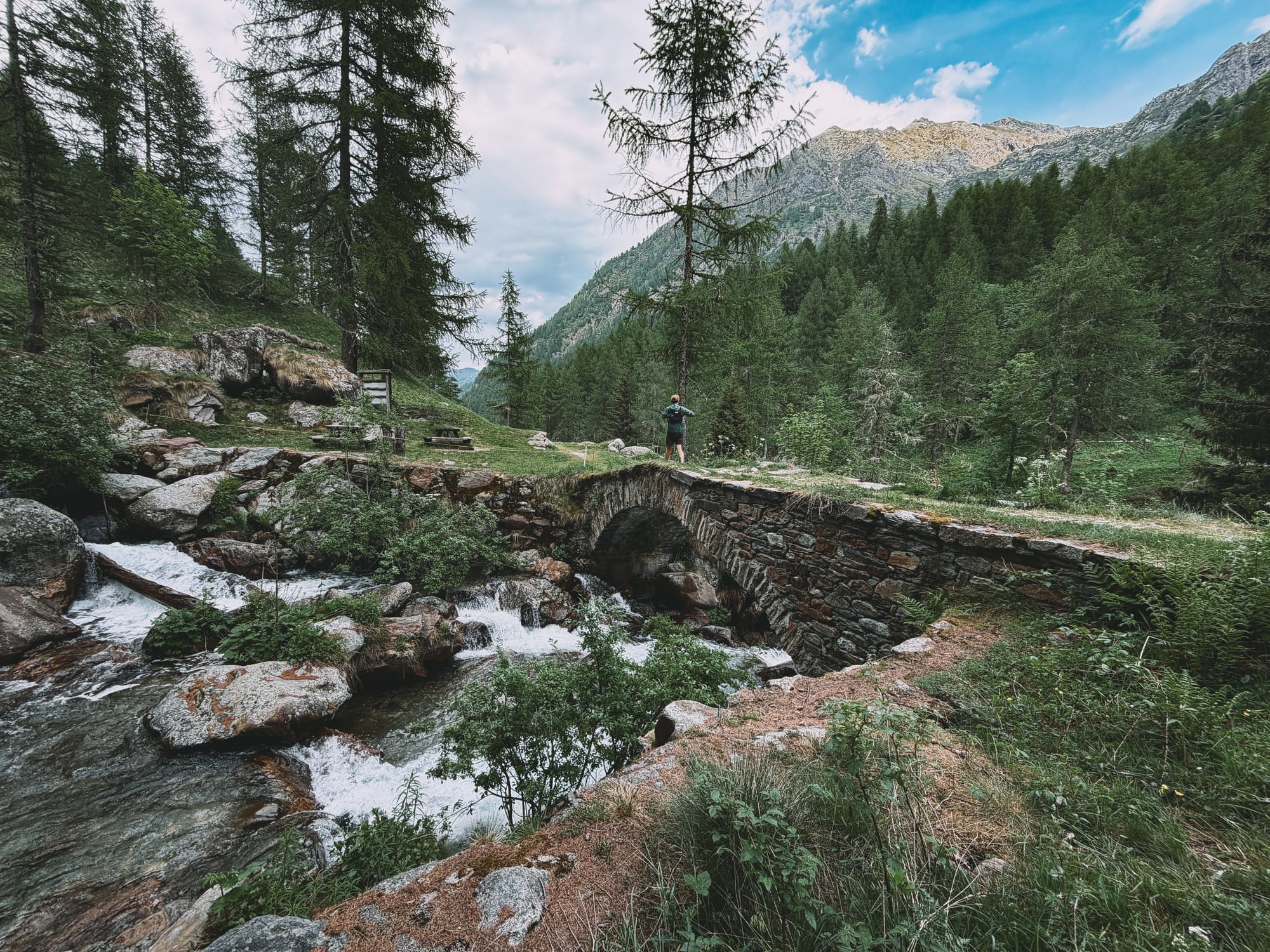
While the original plan was trail running, only a small fraction of the trails were truly runnable. They were much too steep. I tried to scrutinize the terrain in advance to determine the best routes. However, information from the usual internet sources was patchy. Perhaps this lack of knowledge was preferred. Proper details of the topography may have spooked us.
For our first day, I had sketched out a path starting at Rassa, a village running along the Sorba river (tipped off by a local rafting company). At the tourist center in Borgosesia, the local guide validated the route and told us to look for wild peonia around Alpe Toso, at the trail’s terminal. She even took out her phone to confirm the proper translation of the word.
Along the road to Rassa, we stopped abruptly. A herd of concerned goats blocked the road. We had to drive cautiously as the shepherd and his dog to shuttle them aside. The town of Rassa revealed the first impression we had of the local architecture — dark native wood, distinctive horizontal railings, feeling like a Christkindlmarket in Summer. Both town and trail were nearly deserted. We saw more cows and goats than people.
Accessible only by trail, you will see a local tavern known as Heidi al Campello along the path, which looks as though it could be the setting for one of Calvino’s Italian Folktales. Sadly, it was closed when we visited, but would be my first destination on a return visit. The first week of June is probably the very best time to visit. Refugio and gondolas are mostly open, but it’s best to check hours in advance.
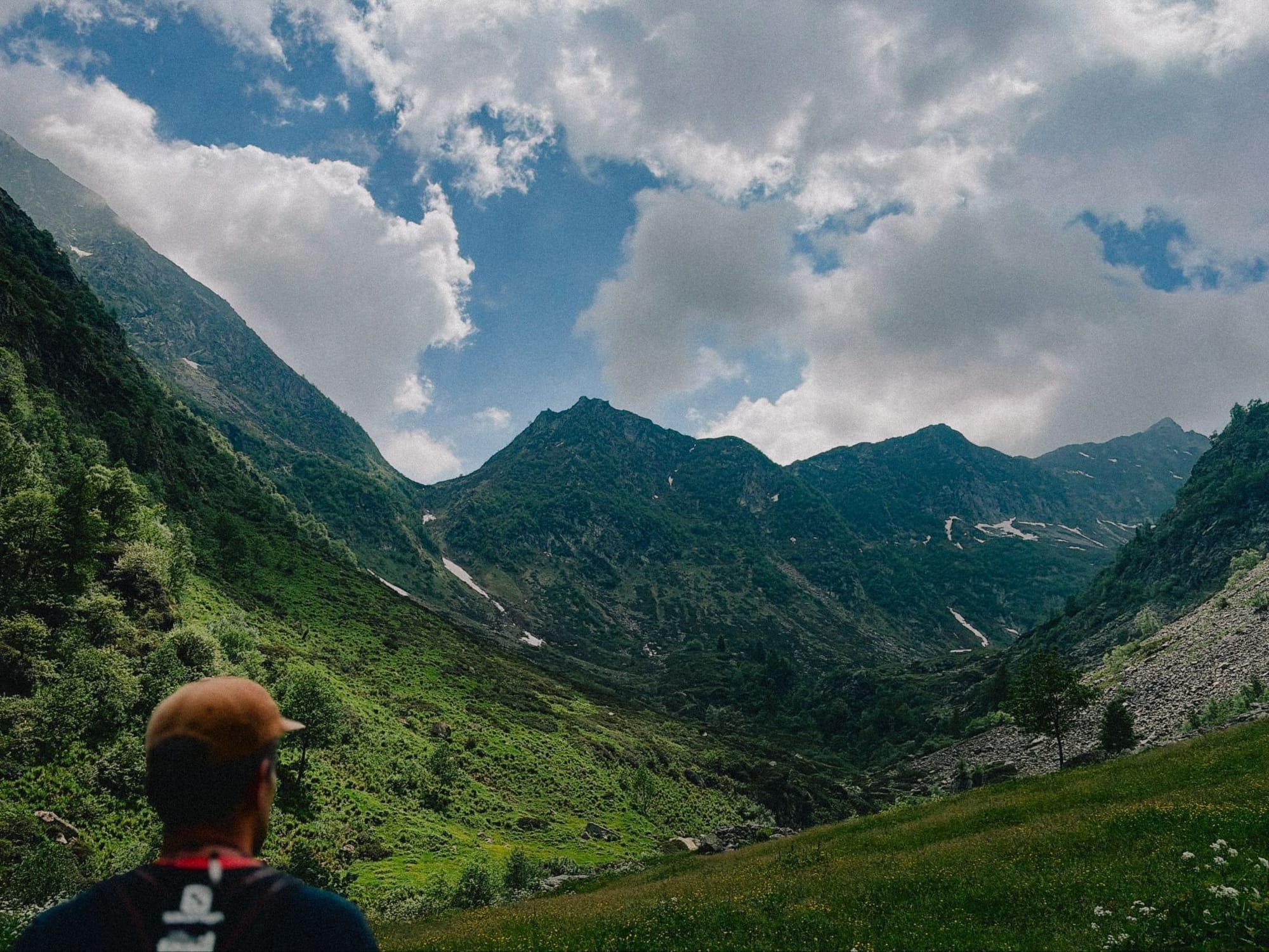
From Rassa to Alpe Toso, you run along an established farmer’s path and the mountain reveals itself in stages. First the farms and stone houses, followed by the valley, and then clear panoramic vistas of the peaks. So visually rich, no camera can capture what the eye sees. You may feel the sight of the mountain hits your nervous system more than your optical system, with the scene tingling along your spine or stomach, similar to the feeling of a sudden drop in height. Purchase fruits, cheeses, bread, cured meats in town. Snack at the peak, and be self satisfied with your clever preparation.
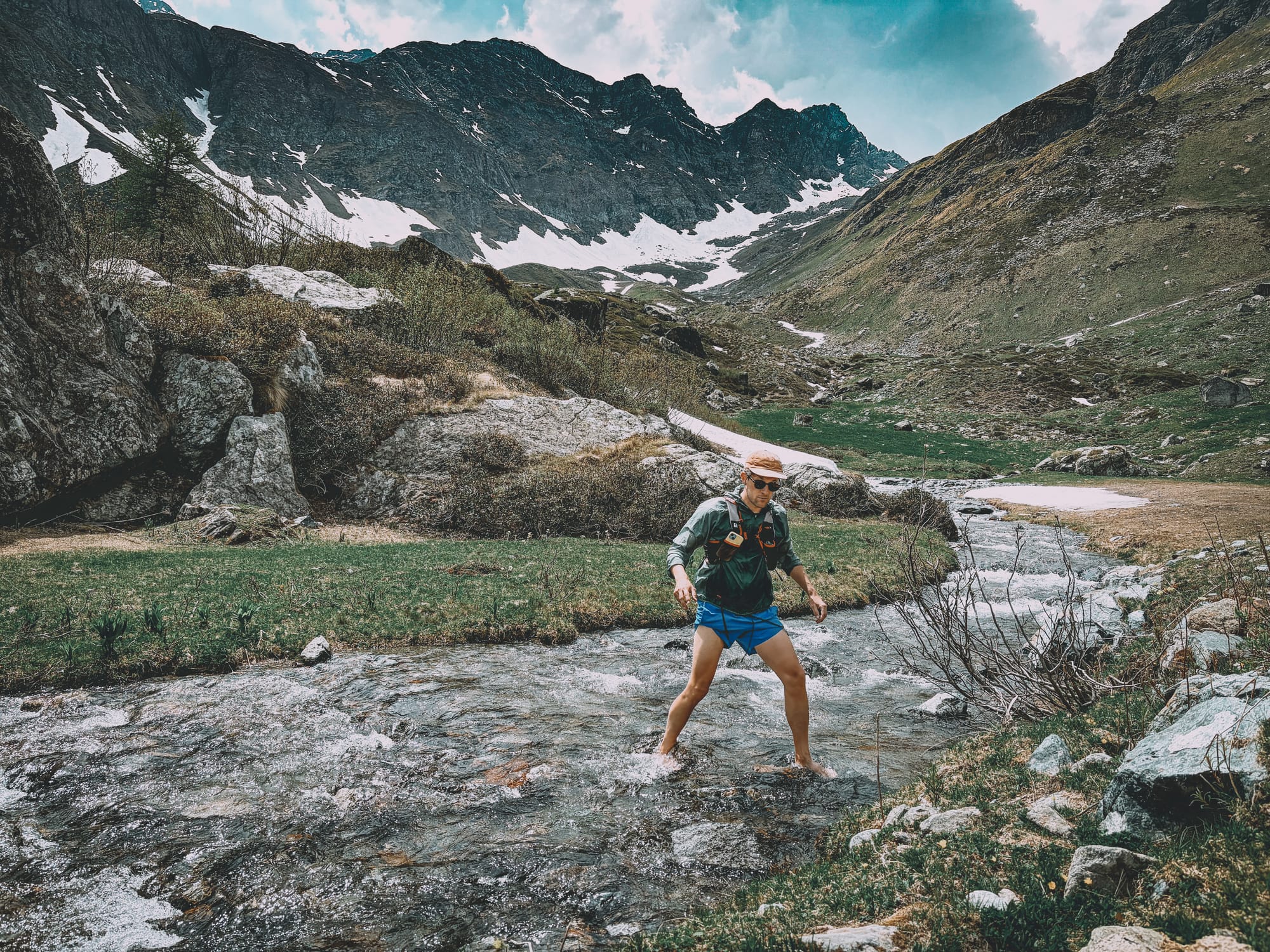
Rassa is a perfect hike. Not so hard, but deeply satisfying. While walking, your body learns what life in the valley may have been like for the shepherds. Just below the town are a series of pools, rapids, and cascading drops. To reset from the dust and the sweat, a dive into the river will be exhilarating. Also, intimidating. Especially for those accustomed to the comforts of conventional temperatures.
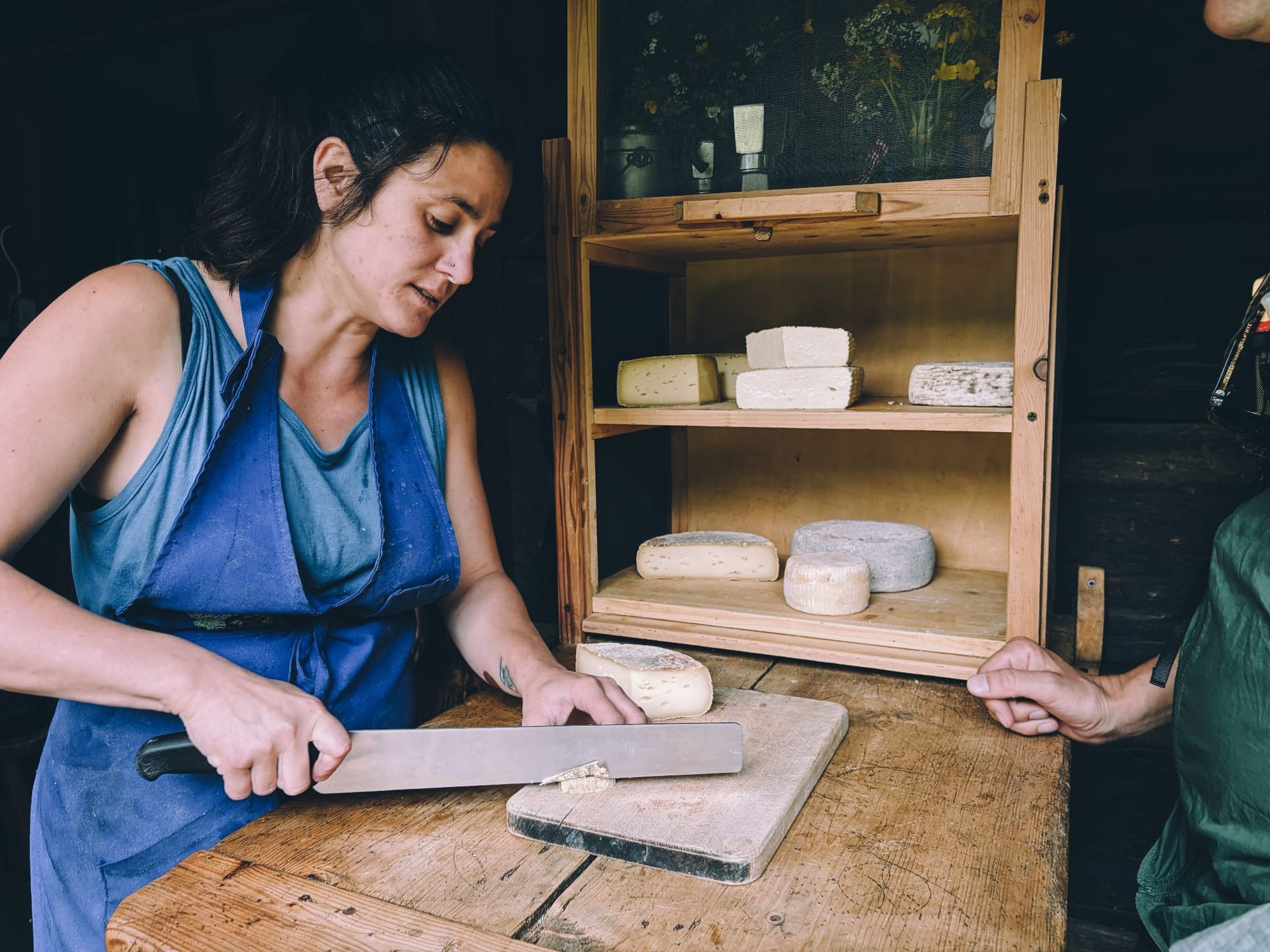
Revealed only by a small hand painted sign, look for a small cheese shop along the path. The shop is simply the side entrance to a farmhouse. Within the entryway, you will find a small cabinet filled with farmer’s cheese, covered only with a screen to protect from flies. The creamery serves 3 cheese varieties and I bought a snack-sized portion of each. Learning the artisanal secrets of cultivating cheese is passed through generations. The woman who helped us learned it from her husband, who must have learned it from his parents.
Traveling with a friend is not something I often have the chance to do. Maybe this sounds super basic, but I can highly recommend this as a travel strategy! Long hikes are nice, but if you do this with a friend, you have the chance to really unspool a conversation over the course of hours, not minutes, as is typical in life. Of course, being with someone else also amplifies the experience and, ideally, your travel partner brings a set of knowledge and perspective that you may not possess.
At Hotel Cristallo, our headquarters for the weekend, we met Andrea, a former host at a mountain refugio and apparently, part mountain goat. He was patient and generous with advice, but never gave the impression he was trying to tag along. He wanted to know if we had seen the wild peonia at Alpe Toso. We had not. He seemed a little disappointed.
Day 2 was Passo Foric (pronounced Foritch), which Andrea said was accessible. It’s passable, maybe a few patches of snow, but it’s not so long a hike. This was information that we would later question. From Alagna, you ascend the steep climb from the river valley to the Valle d’Otro, one of the two major Alpine valleys, the other known as Valle Vogna. Understanding the relationship between valley and town is useful to know when talking to locals.
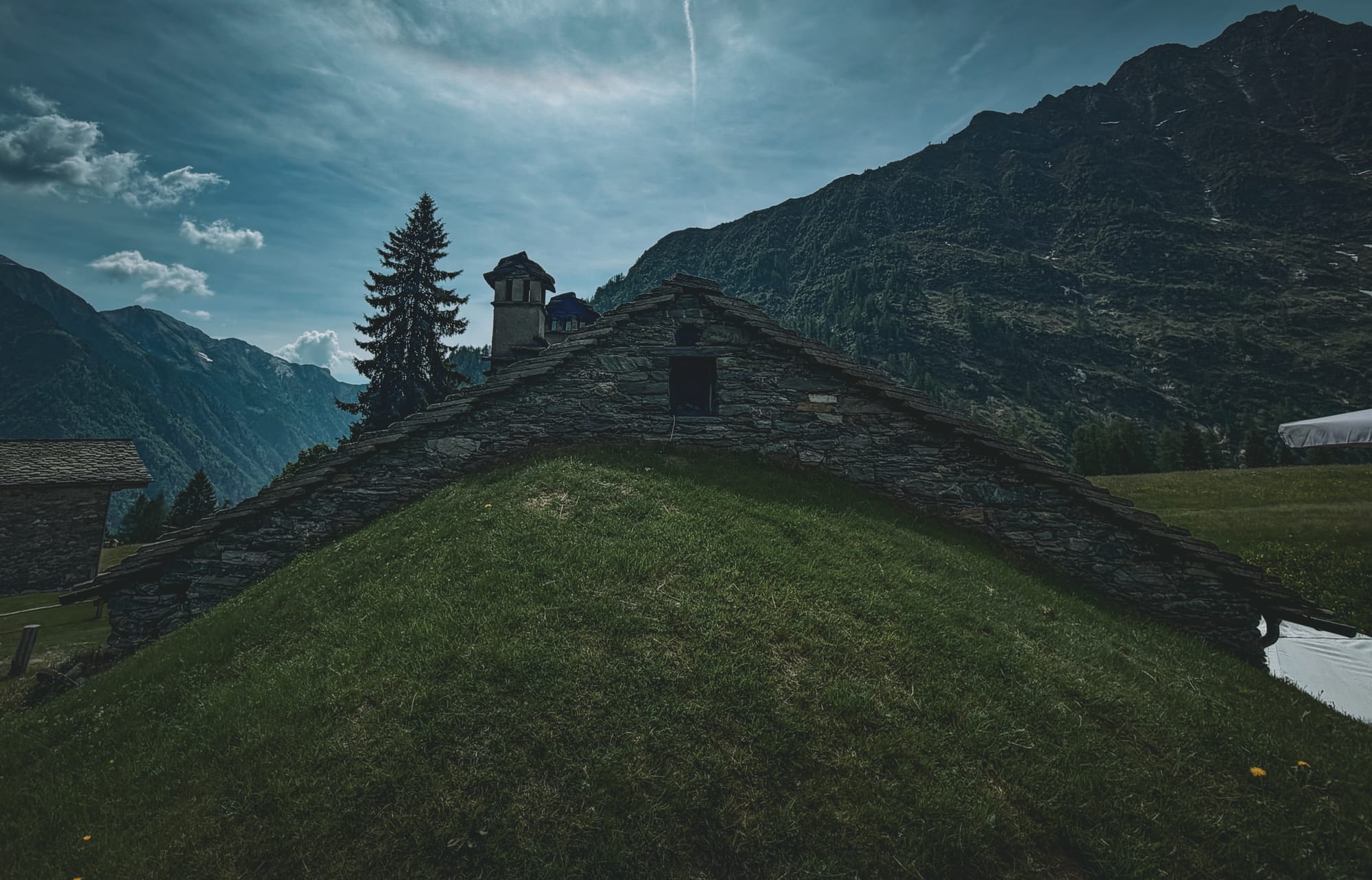
The rocky ascent fades away to an impossibly lush, rolling landscape. You will pass the Walser villages, Follu, Scarpia, and others that are too small to show up on maps. Most hamlets will have natural spring water. The cold, drinkable water runs continuously from a spout that spills into a stone bath or hallowed log. Amateur hikers thin out as you rise in elevation. I saw one napping in the shade.
Near Pianaiminsura, we saw groups of locals picking wild greens from the fields. The ascent to Passo Foric was steep, often a scramble, with a section entirely covered by snow. Not technical, but not for the faint of heart. The view from the pass was hypnotic, with peaks and clouds in every visible direction.
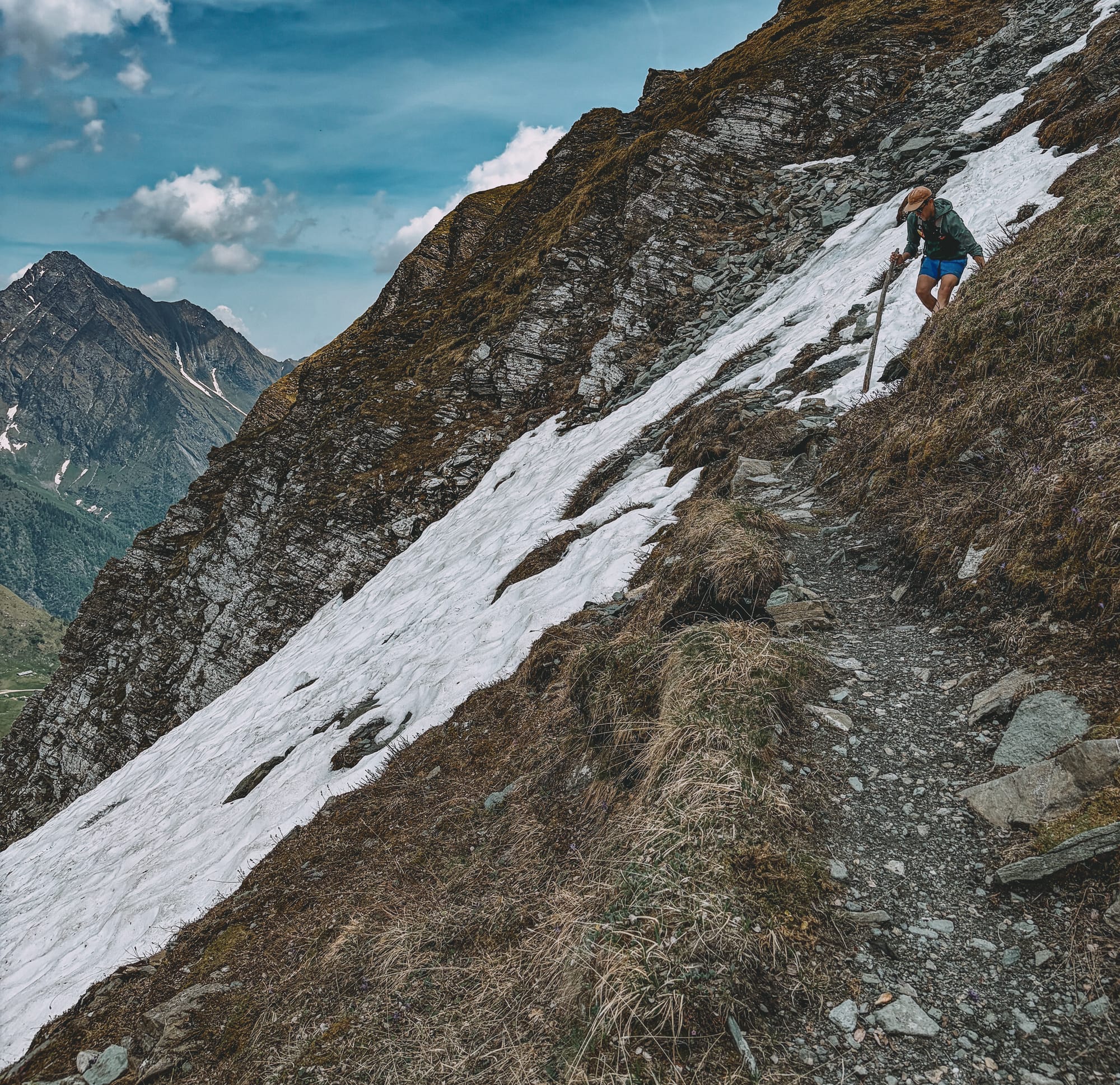
We ran along the ridge, one side a sheer cliff with nothing but air beneath, the other a bowl of green moss and shrub. On the north side of the pass, only 2 hikers were visible. Steep sections covered with slippery snow explained the lack of crowds. The descent required delicate footwork, facilitated by a single walking stick we found along the way. We were glad to reach the refugio on the far side, replenished by macchiato and apple strudel.
Interestingly, we ran into an Italian woman named Paula along the trail. She was going down. We were going up. On day 2, we ran into Paula again, on a completely different trail. She was going down. We were going up. This time we stopped to talk for a few minutes. She was traversing the entire valley and gave us some advice about the trail ahead. All of it was inaccurate. She was very kind nonetheless.
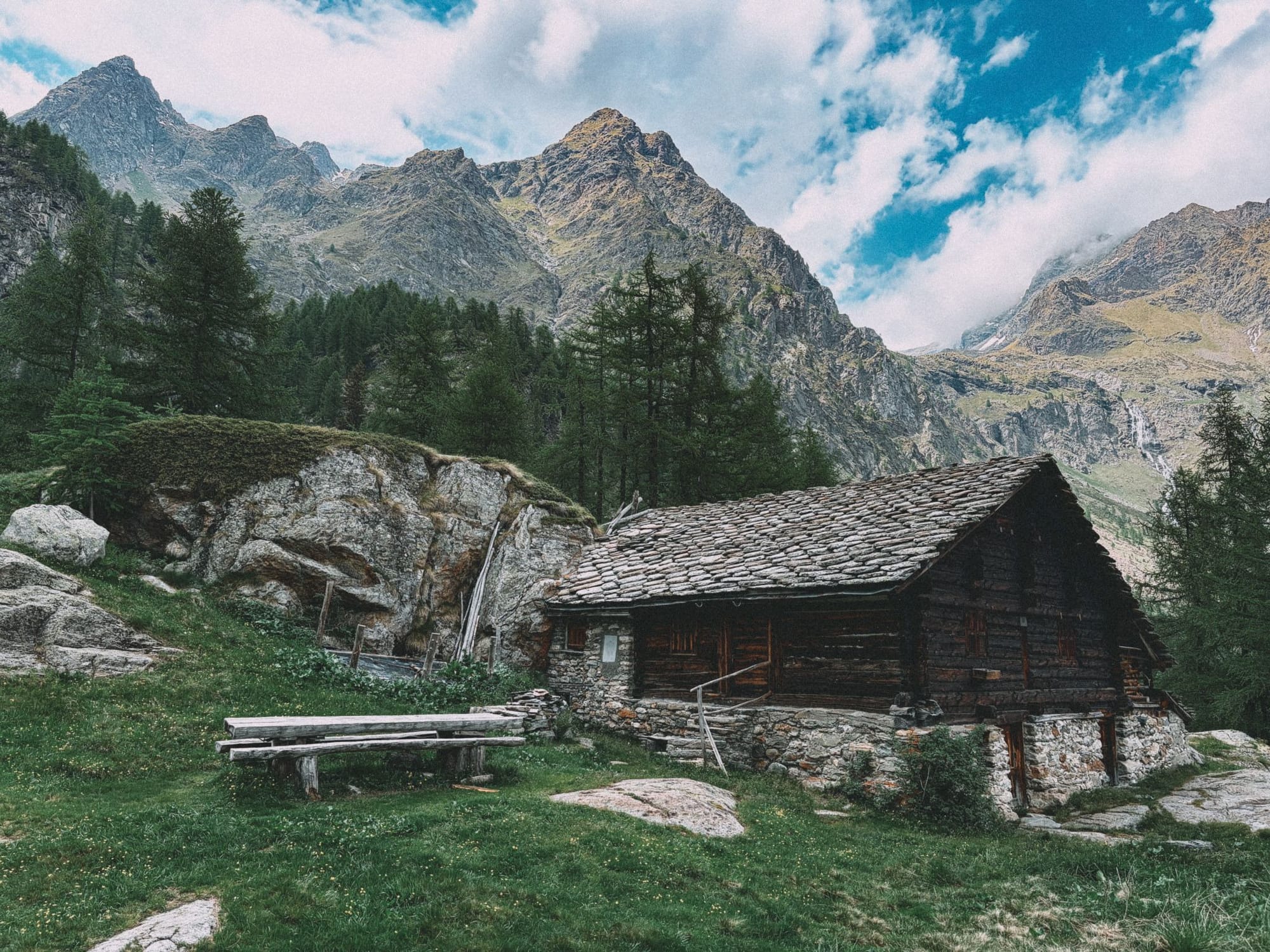
Along the trail, my Swedish friend and I admired the local architecture and hypothesized about the purpose of its peculiar design. The wooden rails, we correctly guessed, were used to hang animal hide and add supplemental protection during the cold months. Along the stone roofs, perpendicular plates jutted out at 45°. These, we guessed incorrectly, were not used as steps to access the structure. Apparently they were used to break the snowpack and prevent injuries from large embankments tumbling down.
At Cristallo, I had inquired with our concierge Eleanor about regional cuisine. She confidently suggested an osteria called Fum Diss (providing no other options), and offered to make a reservation. We agreed (and asked no questions). Eleanor also wanted to know if we had seen the wild peonia at Alpe Toso. No. No, we had not. And to be honest, I don’t really know what peonia look like. Next time I’ll have to get one of those plant identifying apps so as not to disappoint my new friends. The hotel is nice — affordably priced, wide planked wooden floors, no unnecessary boutique amenities.
Perched above Alagna, Fum Diss was positioned within a small cluster of Walser houses, past two stone springs and a barking dog. The restaurant, which was indecipherable from the home in which it was contained, had just five tables and a small bar on the ground floor. I mistakenly walked into the living room of the house and could see the family kitchen in the back. Later I would see Nonna washing dishes.
The waiter, a former local banker, spoke almost no English. Polenta with meat or no meat? There was no menu. These were the options. We sat next to a lively group of Irish women who helped to guide us through the customs. The antipasta was mountain cheese, beans with vinegar, and a variety of cured meats. The polenta, often ground by hand in Valsesia, came with three different styles of meat. If you go to Alagna, find someone to help you call Fum Diss for a reservation. They have no other form of communication. Ascend the path and accept whatever food appears on your red checkered tablecloth.
Other food highlights included Zam Tocji, a mountain hut wedged between the Sesia river and a cow’s pasture. Just ask for a “piccolo snack” and look up at the mountains. Montagna di Luce, another restaurant, is just up the hill and serves elegant alpine food. A sommelier will comfortably inform you about which bottle of nebbiolo will best complement the food. Cheese puffs and raw venison are local specialties. Behind Luce, you will find a Walser museum, which displays the textile and engineering heritage of the local culture.
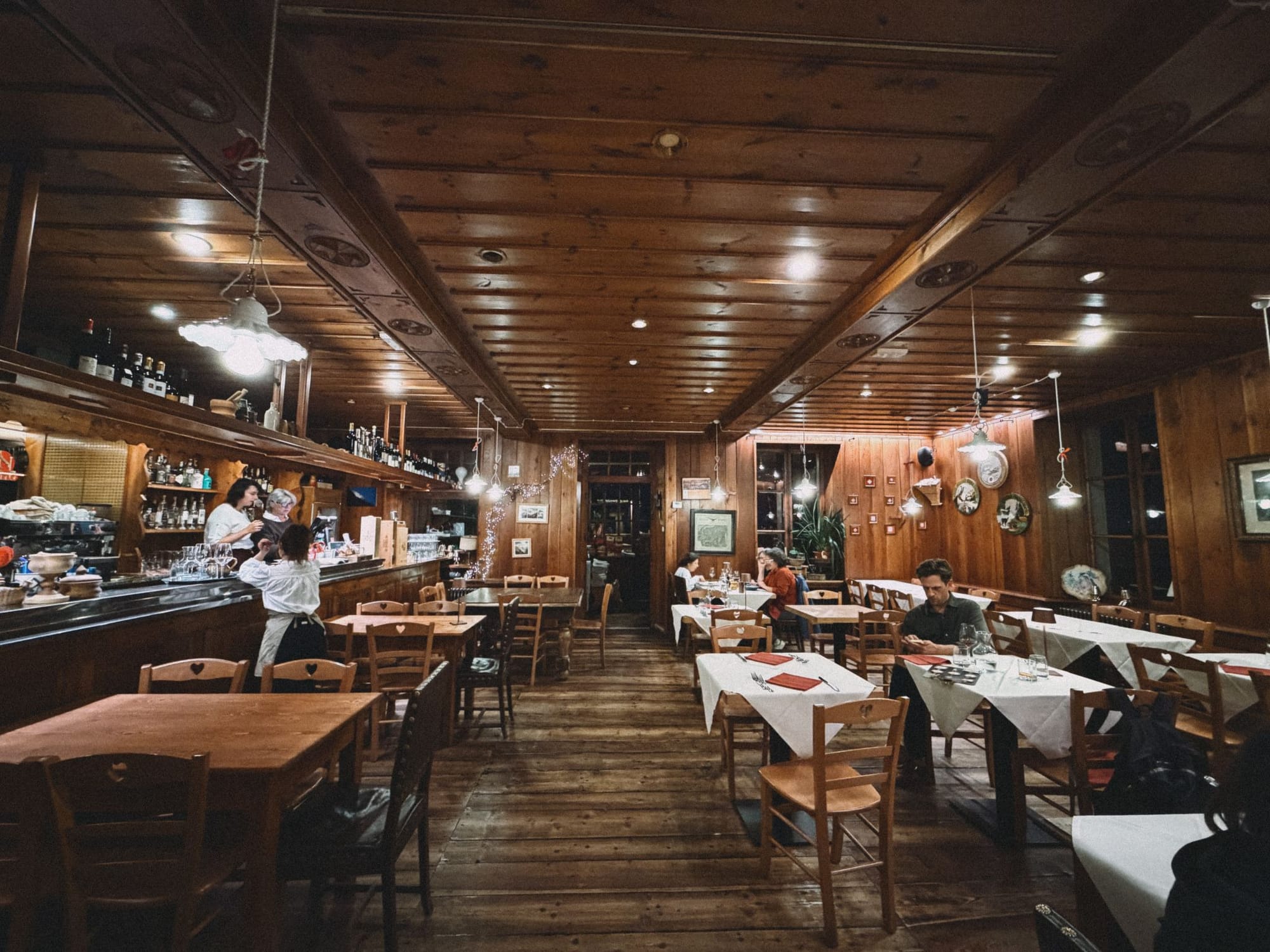
At the town’s border, you will find Unione, a restaurant that feels like the ground floor of a Bavarian inn. You may order the aromatic raclette, served for a minimum of 2 people, and hope that your dining neighbors don’t mind the smell. “Trout” rabbit, not to be confused with river trout, are both specialties of the area. A local amaro, known as Lyskopp may be a good aperitif to close the menu. Minty and herbal, it will lighten the feeling of a heavy meal.
For two people, none of the meals exceeded 100 euro. Most were about 40 euro, including wine, or less. Just over the border in Switzerland, your meals will be twice as expensive. And the people, less curious about why you are there.
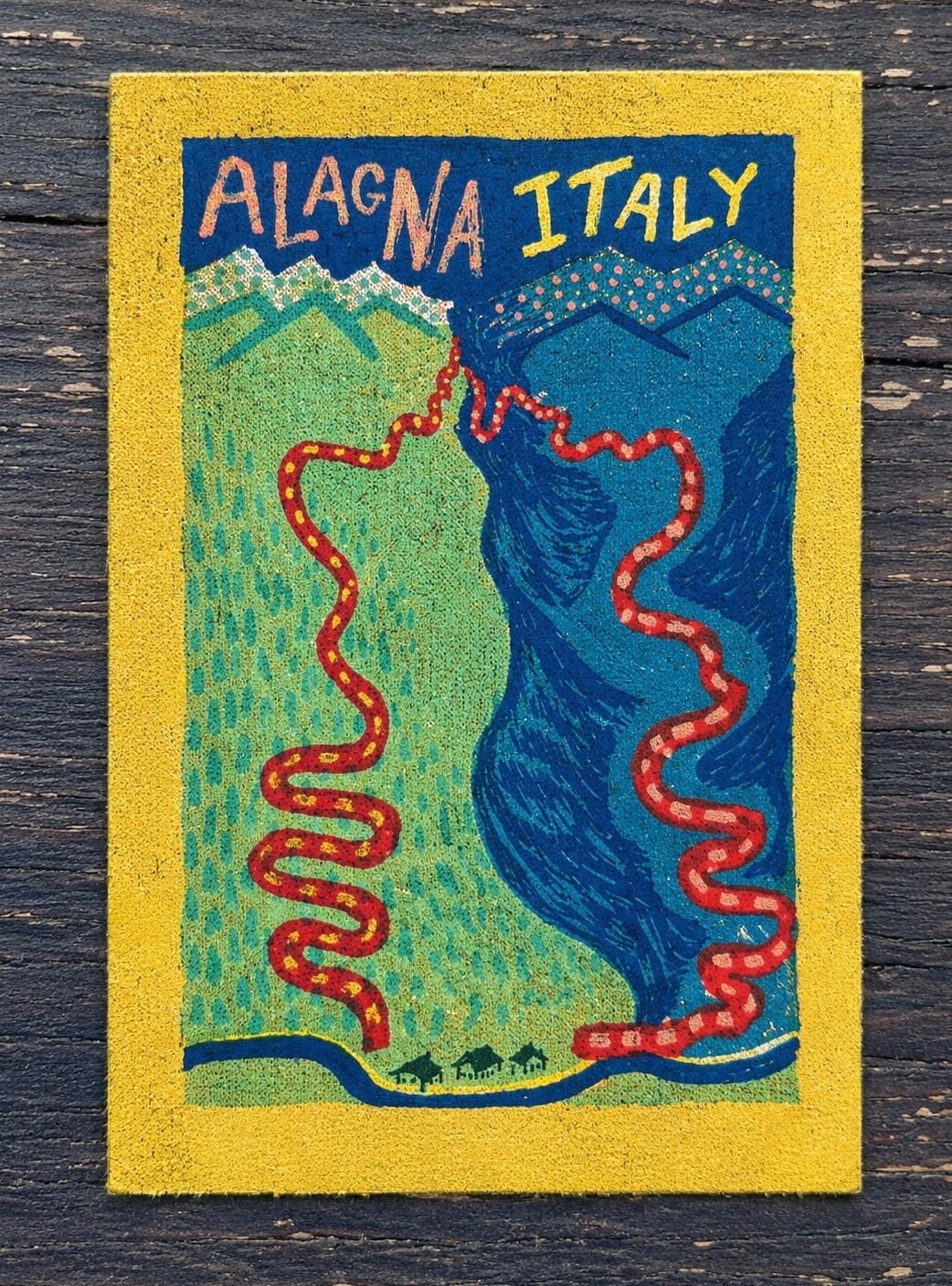
Walser food culture is defined by the landscape. Brown trout from the streams, aged cheeses from the cows and goats, cured meats to endure the winter months. Dried berries and pickled vegetables are common. Der anchu, shepherd’s butter, is unique to the region, with a rich, foamy texture. There are many hyperlocal styles of cheese. One of the more common is Toma, a cow’s milk cheese with a subtle flavor and hard texture. The cured meats are made from the cows and goats that graze in the meadows of Monte Rosa, mixed with juniper and then dried. The pastas and pizza of the South are not the cuisine of the North.
Yvon Chionard, founder of Patagonia, is fond of Valsesia’s culture of fly fishing. The style in this area is distinctive, practiced only by a few individuals. “A homemade 15-foot cane rod, lines meticulously braided from the tail of a stallion, simple flies tied by hand without the aid of a vise—this is pesca alla Valsesiana. Originating on the small mountain streams of northern Italy, this simple, beautiful style of fishing has been in practice since at least the 16th century.” And now, almost no one uses the traditional methods.
The Sesia river carves the rock and powers the mills. Some of the ancient mills are still operational. Now, the water is converted into electricity with micro hydro plants. However, hydro power comprises only a small fraction of the local energy portfolio. Roughly 10%. The remaining comes from gas on the grid. The local municipality encourages conservation in order to reduce the reliance on non-renewables.
Look further north in the Swiss alps and you will find a very different situation. In the Verzasca valley, the Contra Dam holds back the Ticino river. The height is staggering. The region’s hydropower produces about 32x the energy that Valsesia does with hydro. As the reservoir filled in the 1960s, the water slowly covered small hamlets that lie in its path. The stone huts are now like Atlantis, buried beneath the reservoir. But the region is entirely powered by renewable energy. Tradeoffs.
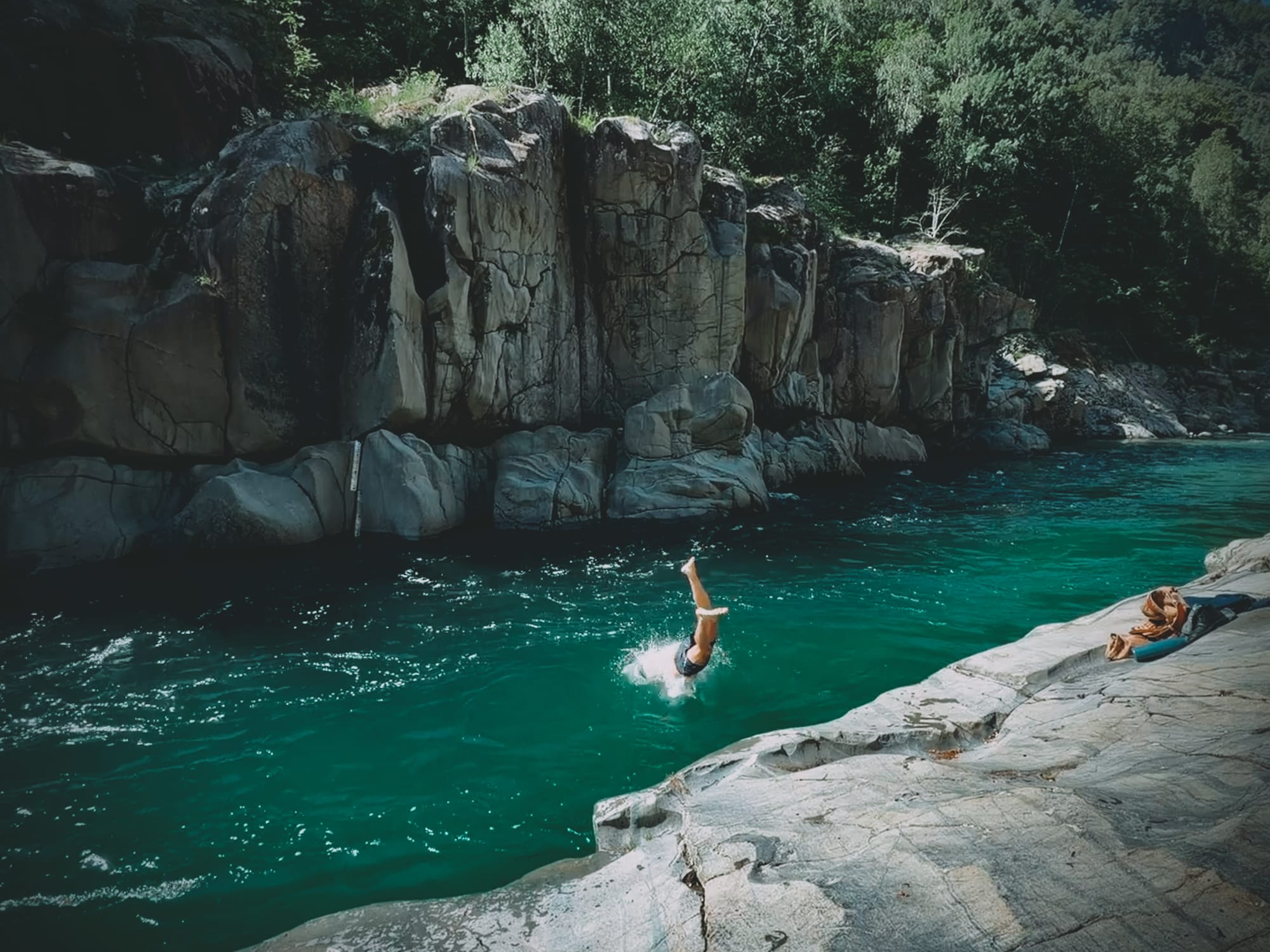
For the final scene of the trip, on our way out of town, we scouted for a place to swim. I had first heard of Valsesia from a private press book about wild swimming in the alps. Here’s the description that captured my attention: “Narrow granite gorge, only a few feet wide in places, with turquoise water.” This was an accurate description.
The air was warm, water clarity visible to the bottom, and I jumped in. My body was swiftly carried downstream by the power of the current. Too long in this water, your heart will race and you may hyperventilate as the body desperately tries to maintain warmth. In measured doses, it has the opposite effect. The body feels as a deep sense of calm as body temperature normalizes. On the bank, the stones captured the heat of the sun. Warmth radiated under my bare feet.
My Swedish friend introduced me to a new word, one that does not have a precise english translation — Livsnjutare. The word is loosely translated as “life heightening” moments. We volleyed around words that may provide an appropriate translation, but could not find a precise match.
So, here is what I suggest to you. Drink three espresso before breakfast. Make friends with the locals. Travel between seasons. Run over a mountain pass. Eat anything that comes your way. Find the wild peonia for goodness sake. Jump in a cold river and let the current pull you away from your own body.
—Michael Neault • June 2026