Speaking with Strangers in the Pacific Northwest

I read a book to my kids last night called, Learn About Strangers. The book is from an illustrated series with moral themes, famously portrayed by a family of bears that live in a treehouse down a sunny dirt road. My kids love the series, I don’t really understand the appeal. The #1 lesson in Learn About Strangers is Don’t Talk to Strangers.
I spent the last week talking to strangers.
On a trail in Bend, Oregon, I spoke with a man walking his dog back to the trailhead. He helped me find my way and shared that he’d been trying to move to the city for 10 years.
At Cannon Beach, I walked with a retired chiropractor named Rick who had taken up birding. He was looking for puffins with his wife, who kept grasping Sarah's arm as if they'd been friends a thousand years.
At the coast, a shop-owner told me about her puzzle obsession. She showed me a cardboard sheet with the dozens and dozens of puzzle titles she had completed. “Pizza and pugs,” one was called. And then she showed me the completed puzzle, which was a depiction of pugs playing and eating pizza.
A number of years ago, I was exploring the Deschutes forest with friends and we met a guy who provided the best swimming tip I’ve ever received. The location was identified only by its mile-marker.
Some people really struggle speaking with strangers. I do not. I once did, but no longer. I seldom ride in taxis without talking, or attempting to talk, with the driver. As a travel philosophy, I am looking to establish as many connections as possible and then allowing for chance to present itself. That means collecting ideas, meeting people, and being open to whatever happens to happen.
The best parts of travel are also the most unplannable.
If you’re going to talk to someone, skip the pleasantries. Have a purpose. Ask a question. Show authentic interest. Say what you’re going to say. Curiosity over assertiveness. Read the room. If someone is disinclined to talk, you’ll know straightaway.
Consider the person and the context. While waiting in line is good. Walking in the same direction works well. Playgrounds are excellent, especially if it’s the child’s grandparents. In each of these situations, you share a common intent and it’s easy to back out or give space.
I like to ask about regional opinions. For example, in line at the bakery, “is this the best bread in town?” or whatever. Because if it’s not, you’re going to learn about the best bread in town.
Culture, of course, will influence openness. In Oregon, service workers are famously talkative. The grocery store clerk wants to know what you’re doing today. And yes, they really want an answer to the question. There appears to be a social contract that everyone is willing to share anecdotes about their activities. I prefer to ask the clerk what items are best selling in the store. One lady at a toy store told me, "We don't think in trends." And then she proceeded to tell me about the sensory squish balls that have been selling out.
Oregonians are almost always willing to speak with you. Unlike other regions, most people in the Portland area did not grow up there. Most have moved to the city intentionally. And because most people are on an adventure of some kind, that means they are looking up, not down, and many appear as if they've been waiting for someone to ask them about their journey.
“Stranger” itself is an odd word. Stranger implies… strange. In English, we don’t even have a good alternative word to describe people with whom we are unfamiliar. I prefer to think of these people as humans we’re not friends with yet.
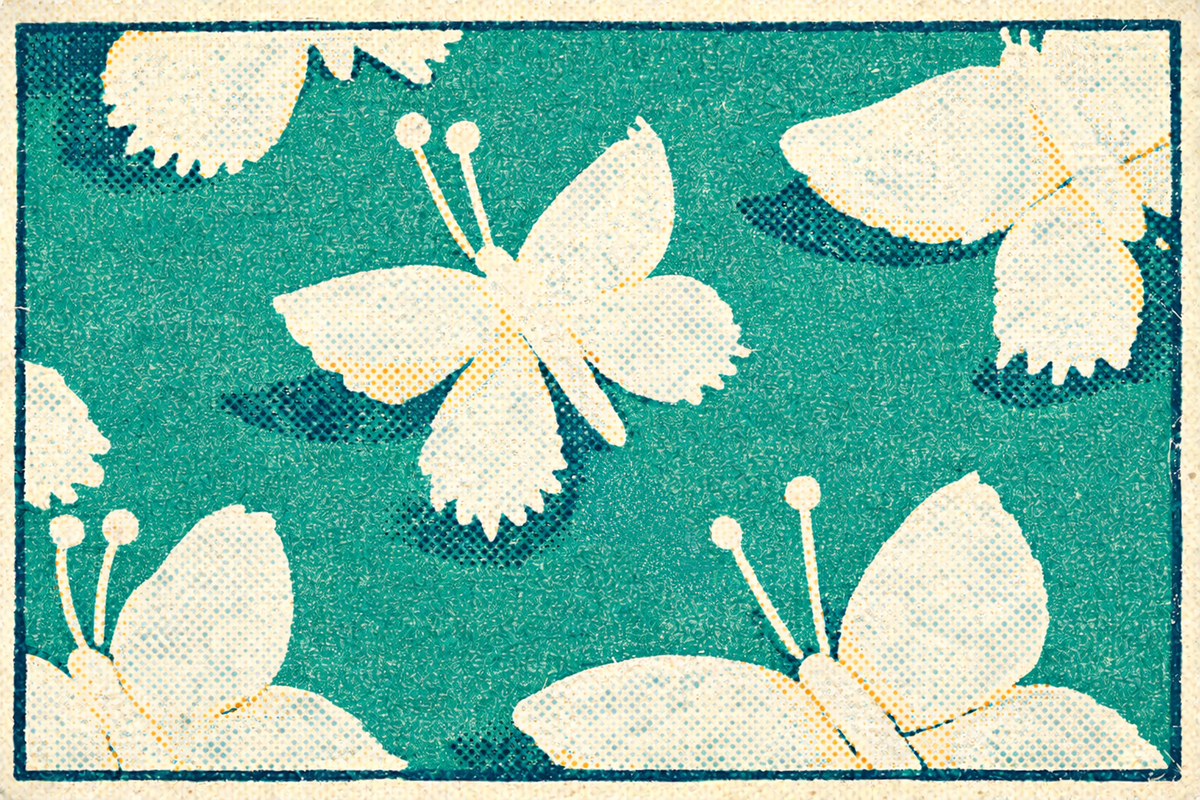
In the book with the moralizing bears, the sister bear has a precocious and open personality. She talks to everyone. And then her papa bear shows her the newspaper. It’s riddled with stories of missing bear cubs and suspect strangers. The next day, the sister bear walks around the park and the scene has literally transformed from sunny to dark. The once-smiling butterfly now has a menacing grimace.
The gentleman at the ocean told me about his favorite little town on the Oregon coast. He had a gentle manner and seemed genuinely pleased that I showed any interest in his life. When we parted ways he said, “It was really good talking to you,” and I think he meant it.