Wound Care Innovation • Thoughts on Nick Drake’s Network • Trail Run System Failure • Billboards and Visual Decay • Neutral Milk Hotel


The tapestry of musicians working with Britain’s most introverted folk musician, Nick Drake. But was he really that introverted? He’s conventionally described as a loner, but that misses some of the more interesting elements of his records. Producer Joe Boyd recruited an ensemble cast of musicians for the records he produced. John Cale, Richard Thompson, Chris McGregor, P.P. Arnold, and Doris Troy are all credited on Bryter Layter. Cale’s contribution to Northern Sky shows a warmer side of the musician most associated with Velvet Underground. I love the piano sections of that song, which sounds like a young child exploring a new landscape. Chris McGregor, who plays on Poor Boy, is an especially unusual choice. He’s a pianist from South Africa, who blended free jazz and township rhythms with his jazz ensemble.
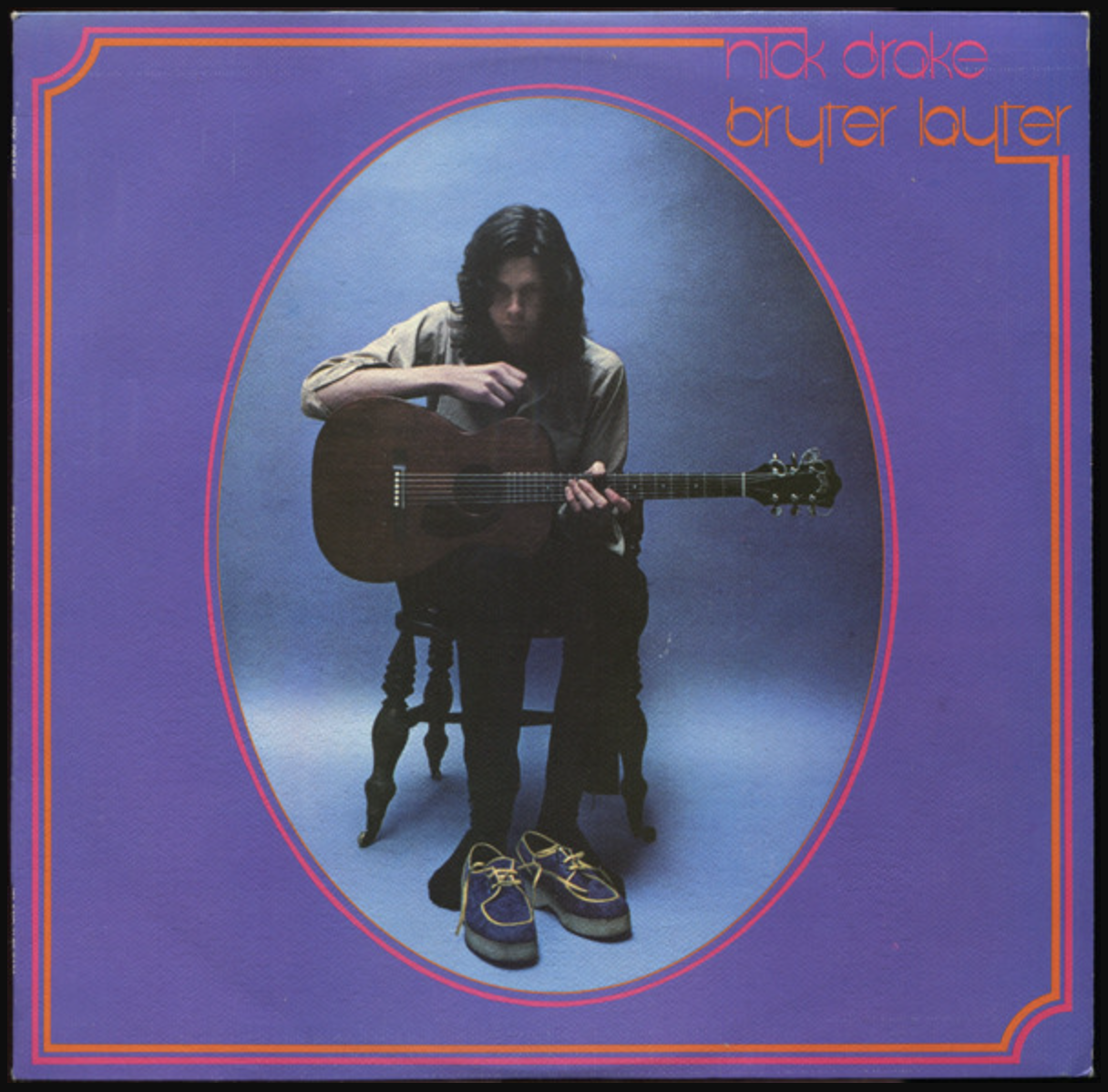
On the cover of Bryter Layter, Drake has taken off his shoes and looks comfortable. Shy, but comfortable. The title is an interpolation of “Brighter, Later”, a common weatherman’s aphorism for cloudy skies expected to clear. Maybe it’s a quiet acknowledgment of hope. Of Drake’s influences, I try to listen for bossa nova (the understated vocals of Joao Gilberto), jazz (the atmospheres of Miles Davis), and classical (the impressionism of Debussy and Ravel). Maybe the Volkswagen commercial actually got it right. Not a single person in a car with the windows up, but a group of friends enjoying the open night sky.
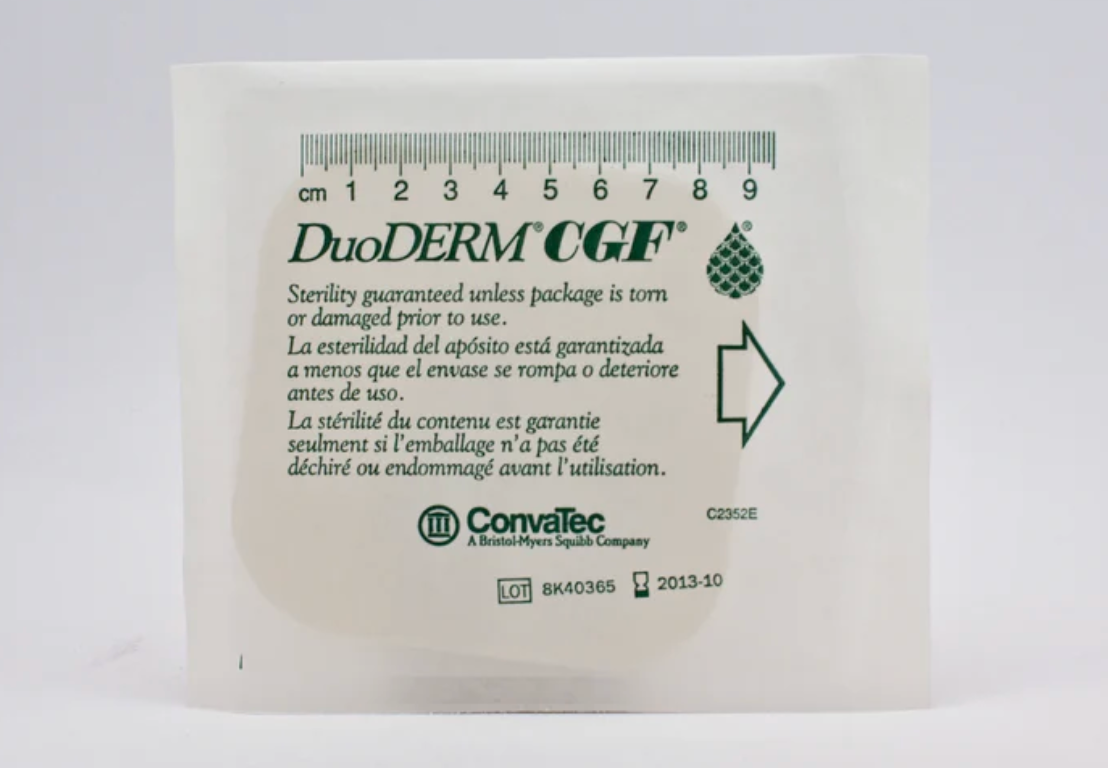
Duoderm is a helpful product. Sometimes I get injured. During my last trail run, I got some angry blisters. This past weekend, I nearly cut my thumb off with a sharp knife. We are fragile creatures. Duoderm literally acts as a second skin. In both cases, I applied this over-the-counter product and it magically repaired my wounds. The origins of DuoDerm come from James Lee Chen, PHD, working at Convatec in the 1960s. Chen combined two ideas — the medical realization that wounds should remain moist and the existence of hydrocolloid adhesives. The outcome was an innovative method for treating chronic, open wounds. Now, they’re a nursing staple. How many people have benefited from a quicker, more hygienic healing process? I will now travel with a small kit (duoderm + neosporin) and I can recommend that you do the same. Someone should write a wikipedia page for Dr. Chen.
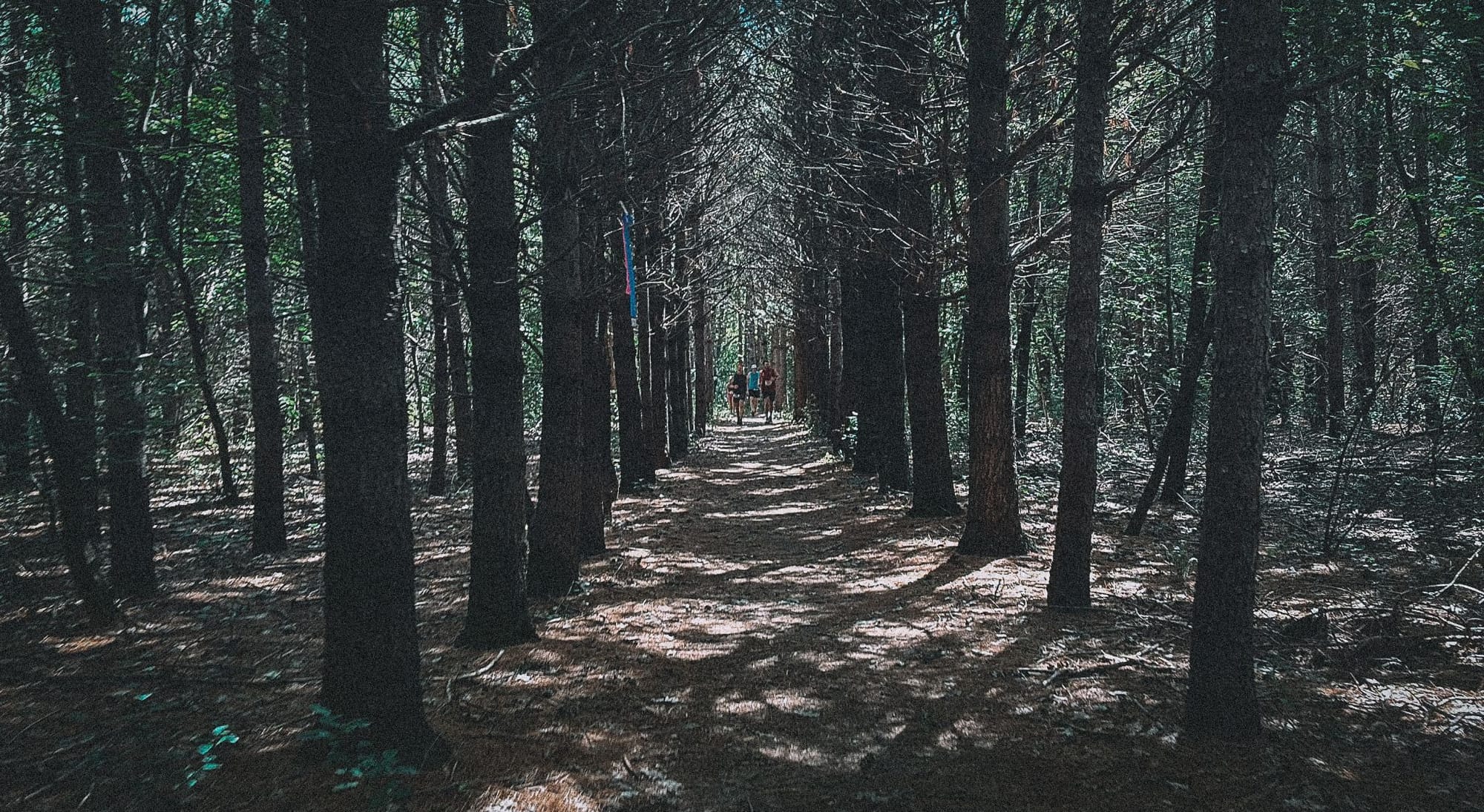
What we can learn from bonking. When I coach cross-country running, I caution my grade school athletes on the risks of bonking. When a runner has a mid-race crash — from over-exertion, poor pacing, or nutritional mistakes — we call it bonking. Recently, I was competing in a Spartan trail race in the Kettle Moraines, a glacially influenced landscape in southern Wisconsin. During the race, I had a complete system failure. Rewind to the start of the run. I was feeling wound up, competitive, and started out aggressively. The trail had some serious terrain, it was hot, and as the race progressed, I started feeling weird. On the ups, I was woozy, which is rare, and on a particularly steep incline, I realized something was wrong. On the decline, my body insisted that I pull over to the side of the trail and my stomach revolted. I recovered and finished the race, but the nausea throttled my speed for the remaining distance. I’ve never gotten sick on a run and I wanted to understand why.
I had a hypothesis and debated with an LLM to construct a working theory. Heat, overexertion, bad nutrition choices, and undertraining for inclines led to a complete system failure. Running uphill is a massive drain on the quadriceps and the cardiovascular system. If you push your limits with elevation, other parts of the body may suffer. In my case, it was the stomach. When I felt the need to pull over, it was the body stating clearly: downshift, engine failure.
Lesson learned. Take the stairs.
There is a helpful side effect of taking the stairs. Longevity. When I was self-diagnosing, I thought of the Greek Island known for its long-living population. The village was hilly and any commute required serious cardio. So, for those living in the flatlands like myself, it’s a helpful reminder to find some inclines.
Billboards are a visual virus. Especially in the American midwest. Lawyers, drugs, hair supplements. It’s hard to appreciate a cityscape or a cloud when a billboard is in the way. They should be regulated out of existence or at least regulated for taste. What if we converted all of them to solar panels? Or just threw them in the ocean and let the barnacles grow?
Neutral Milk Hotel, 1998, King of Carrot Flowers part II and III, Knitting Factory, NYC.
—Michael Neault • written in the room of an airbnb near Lake Ontario • later than usual this week on account of travel