A Dignified Lake • Trail Running with Kids • Cheese curds and Whitefish Dip • Freshwater Cliff Jumping • Sheboygan is Extremely Underrated • Cleanest Gas Station Ever • Lucky Strike Cigarettes

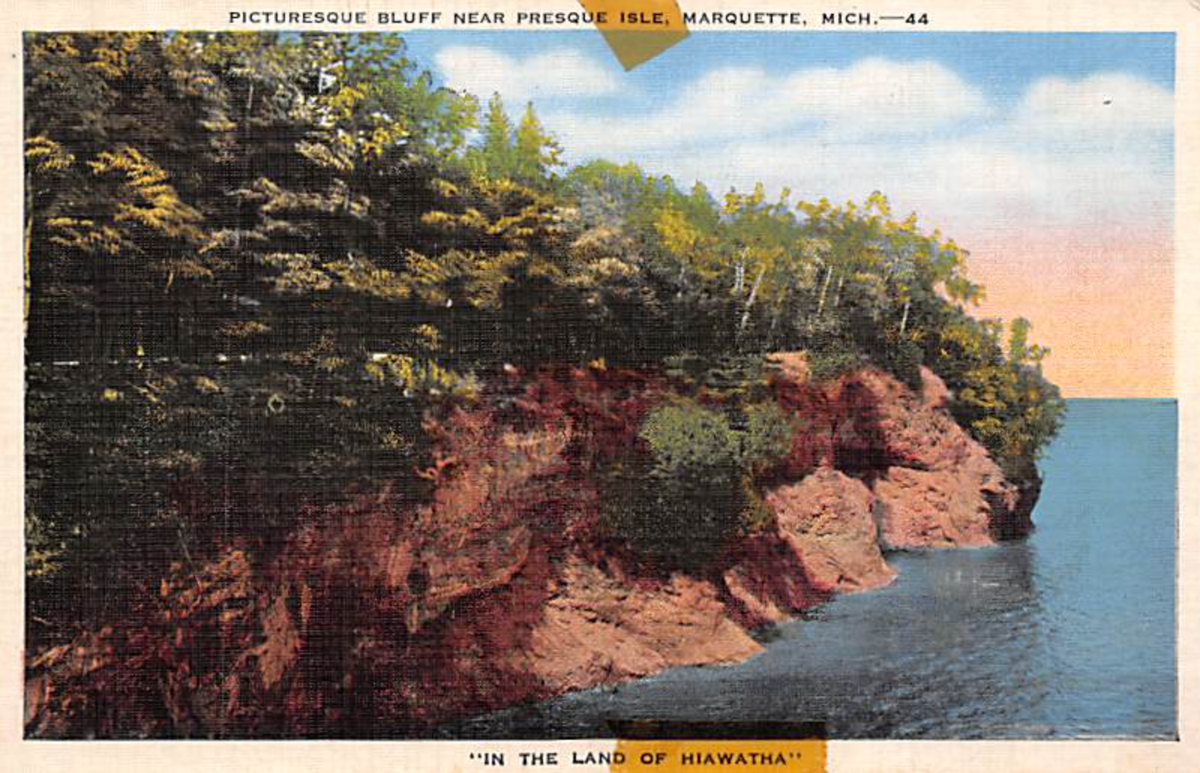
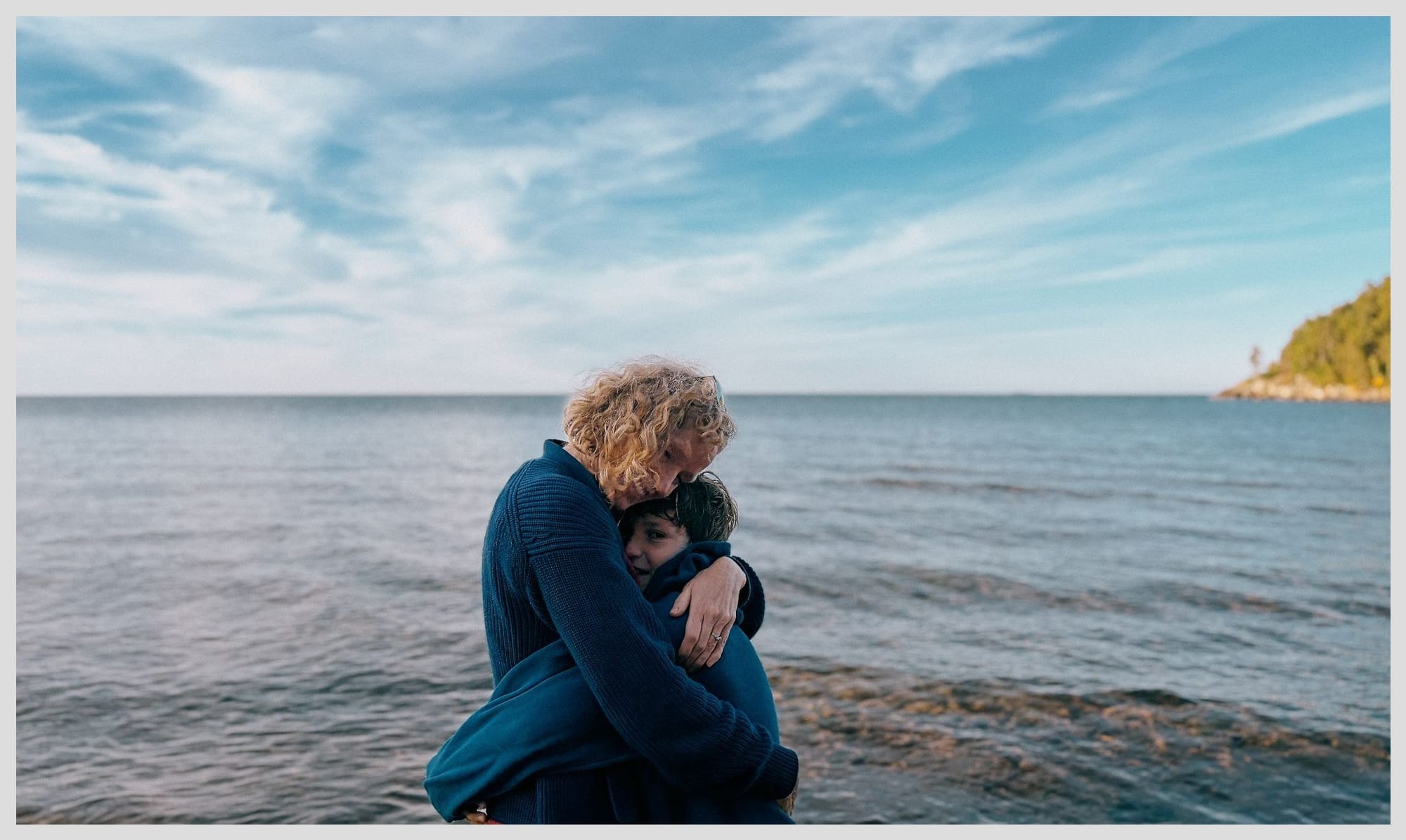
The world’s largest body of fresh water (by surface area) flanks the shores of Michigan’s Upper Peninsula (affectionately known as the “U.P.” in the local vernacular). Due to the extreme northern latitude, the water shimmers from the sun’s sharply angled raking light. The lake is magnificent, cold and clear as drinking water. Due to the size and remoteness, Lake Superior has withstood the impact of man and industry in ways that more vulnerable lakes have not.
Dignified, obstinate, demanding respect; a body of water that knows it is more likely to influence you than for you to influence it.
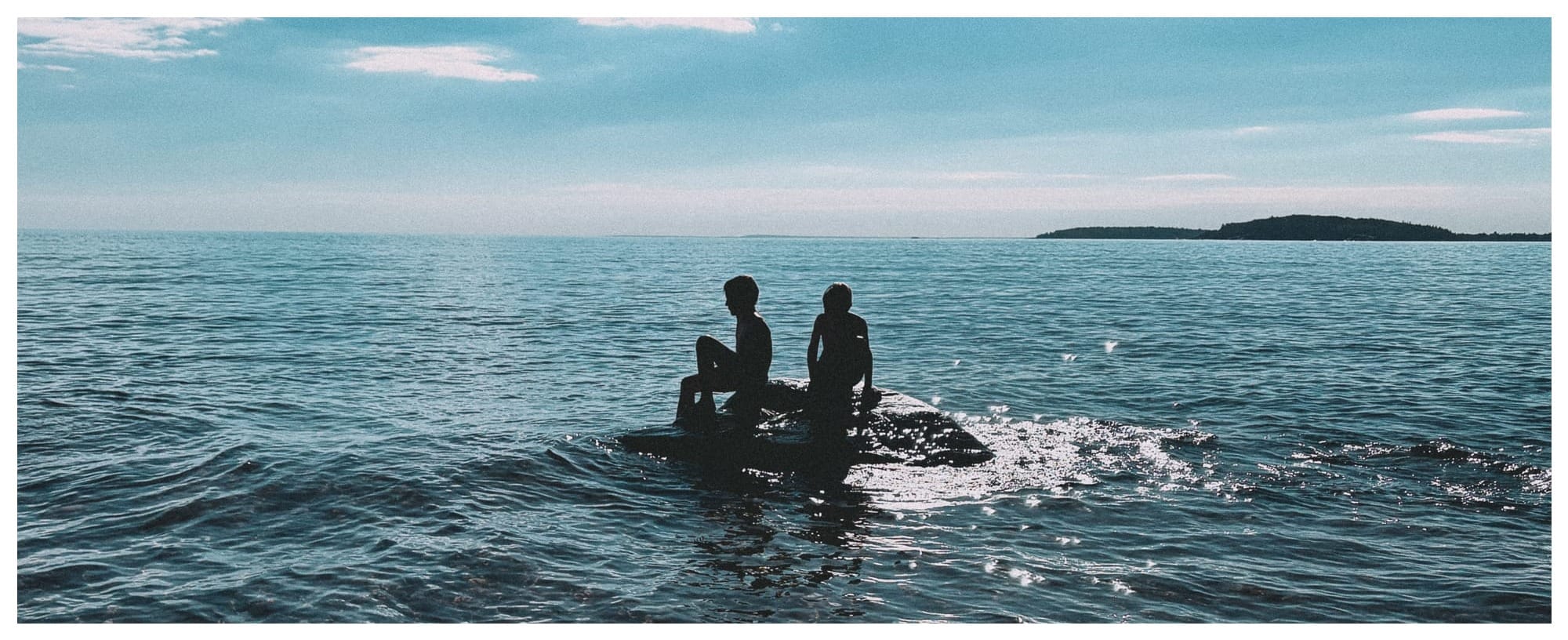
I took the boys and Sarah for a long weekend to Marquette, Michigan, 6 hours from Chicago, following the boundary of Lake Michigan straight north until you cross land and hit Lake Superior. We stayed in an off-grid cabin in bear country and ran into a fatigue-adorned bear hunter who assured us he would not accidentally shoot at the children.
“Wait, this is where we have to live?” Cal said when he saw the accommodations. We brought battery-powered Christmas lights to charm up the shadowy cabin.
Lake Superior is so named not as a reference to its superiority, but as a signal to its higher elevation (Lac au Superior in French), despite what local tourist shop t-shirts may claim. All other great lakes lay in lower elevation as part of the drainage system — Michigan, Huron, Erie, Ontario, eventually resolving into the Atlantic via the St. Lawrence seaway.
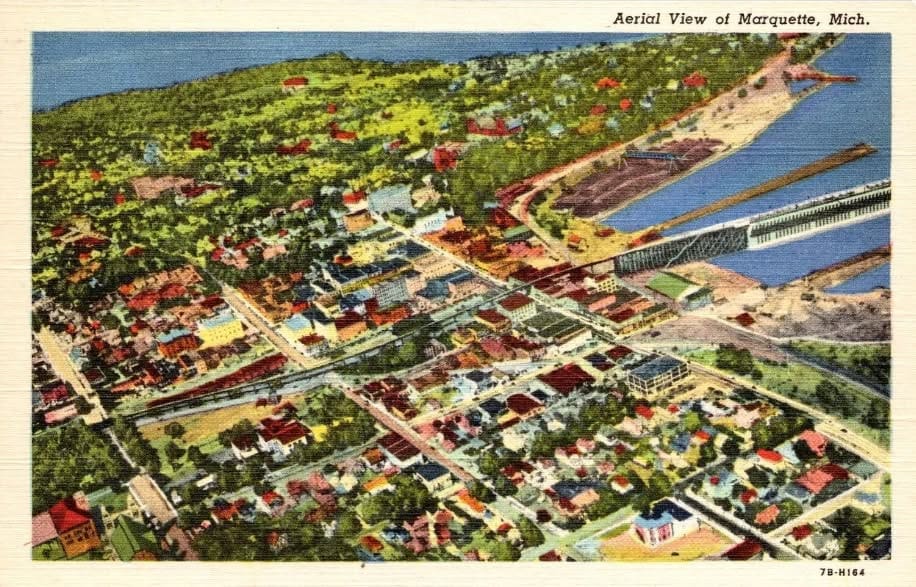
Marquette is the most populous city of the U.P, directly east of Minnesota’s Duluth, and directly west of Pictured Rocks national seashore. Even as the most populous city, it is sparsely populated by global standards (~20,000 people). Even during the high tourist season, I imagine the town feels quaint and manageable.
The skeleton of a massive concrete dock sits in the harbor, unused, but still impressive. A vestige of the state’s former iron-mining industry, the structure dominates Marquette’s harbor. I would welcome the opportunity to redesign the structure and convert it to a park, sculpture garden, swimming sanctuary and anchor for tourism. The iron industry is not coming back anytime soon. Or is it?
The city has a surprisingly good tourist website. Sorry, but far better than Chicago’s. I messaged the director of the tourist board, who messaged me back almost immediately. She told me that her staff would prepare some custom suggestions for me.
She never followed through, but I’m not sore. I appreciate that she even considered sending me a custom itinerary. We stopped by the tourist office and took all the maps they offered. None contained the information I was looking for, but the representative was genuine and kind nonetheless.
Food in the region is distinctive, but not much different from the rest of this country. Whitefish dip, smoked trout, fried cheese curds, and Finnish pasties (root vegetables, beef, buttery dough) are commonly found on menus and spoken of with pride by the local population. Craft beer is plentiful, proper coffee is accessible. Velodrome is an excellent local roaster. Isn’t it wild that you can find an excellent, single origin espresso drink just about anywhere in America now?
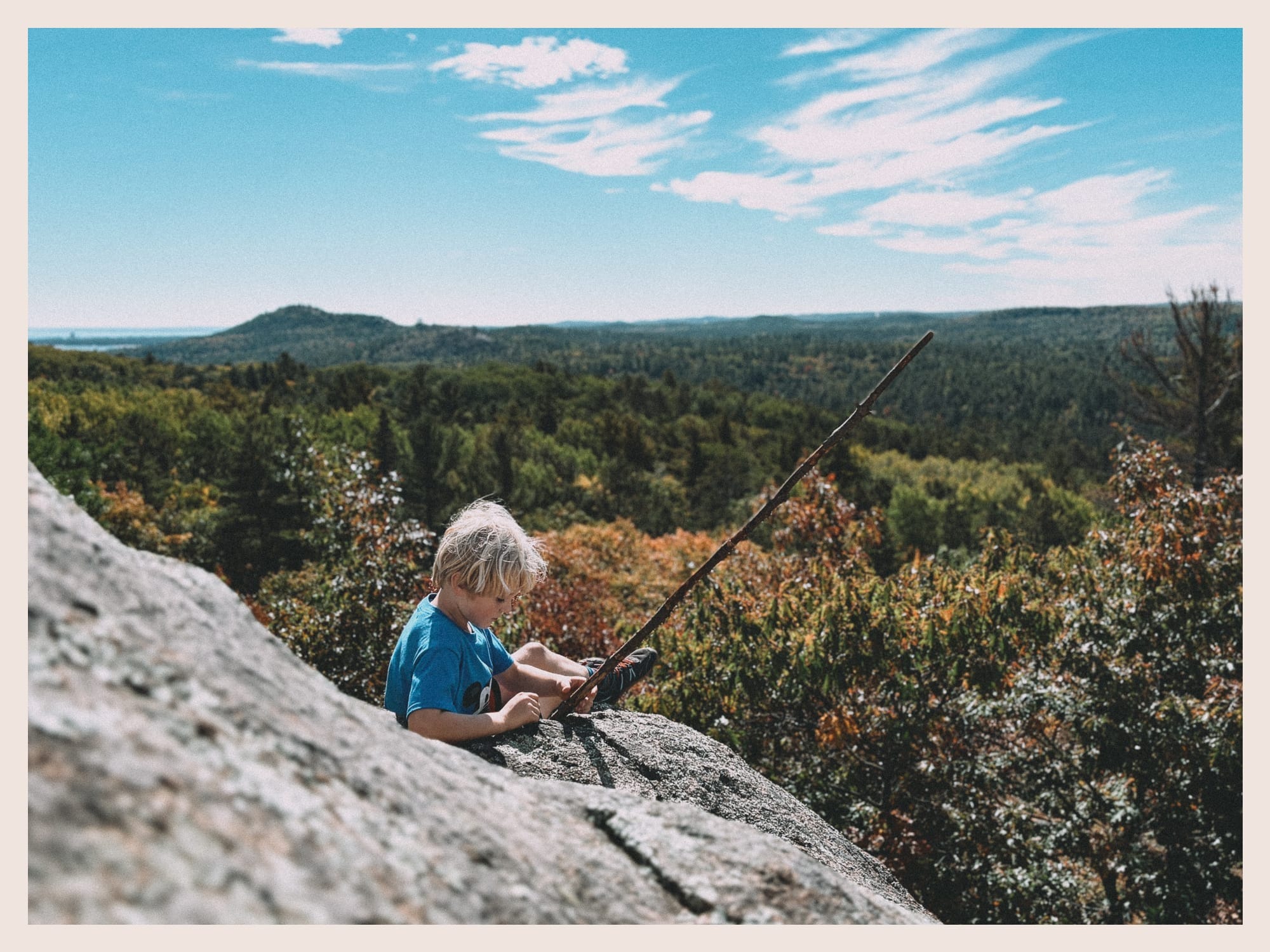
Along Marquette’s south trails, you will experience some of the best hiking in Michigan or Wisconsin. Granted, competition is weak, but I really enjoyed these trails. Sufficiently marked and close to town, the Noquemenon Trail System accommodates hikers, runners and polite mountain bikers. We planned to hike the awkwardly named “Carp Eh Diem” trail based on the advice of some guy we met at the playground.
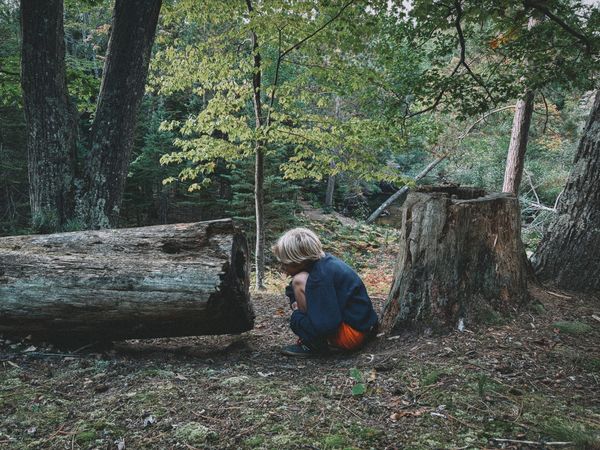
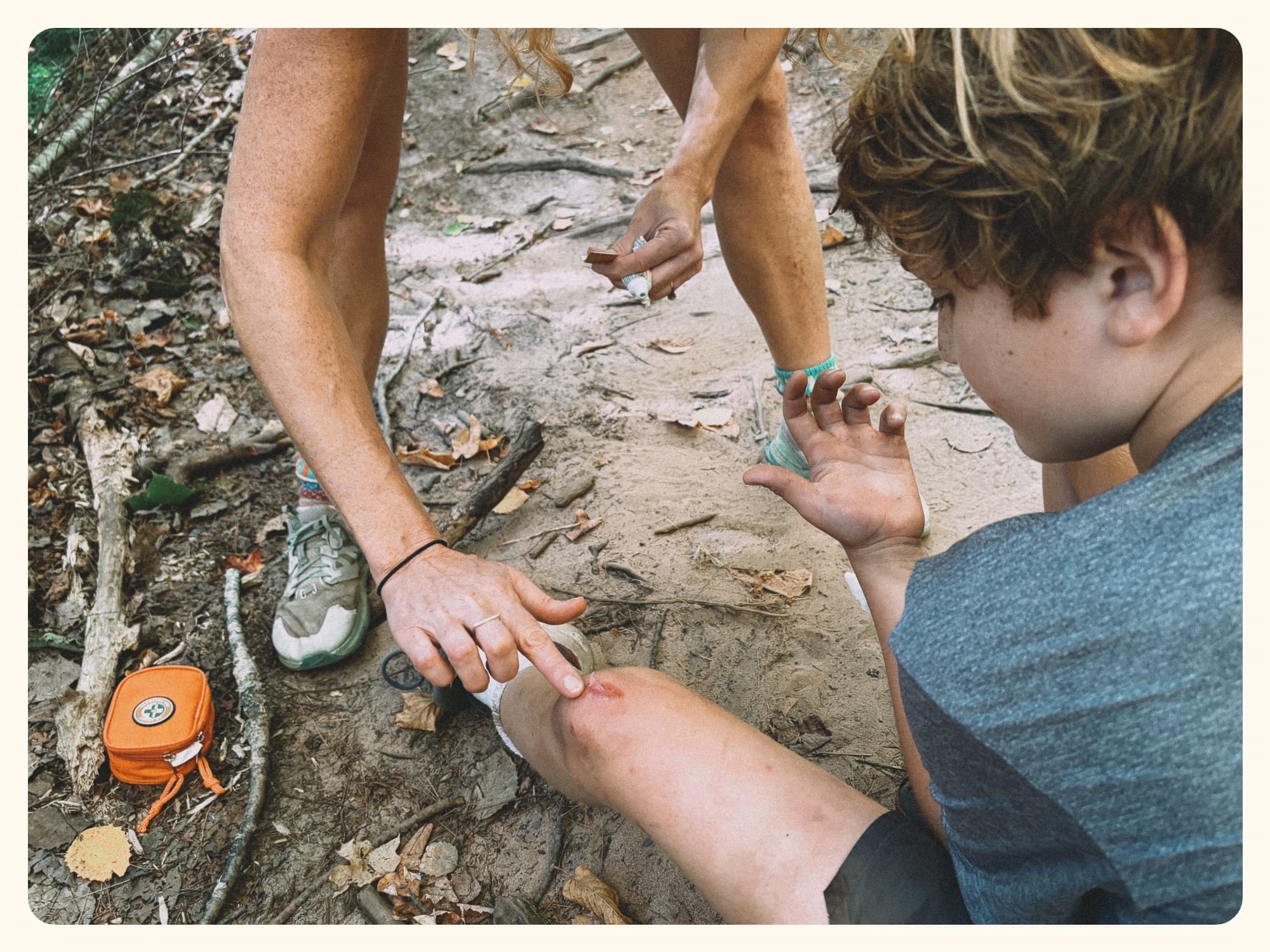
Turned out to be perfect advice. The trail zigzagged left and right, up and down, and felt like a rollercoaster. The boys decided they preferred trail running over hiking and we struggled to keep up. In one section, we followed along the spine of an ancient pipe and in another, we forded a creek and climbed up a modestly sized, ice-cold waterfall.
With the Finnish influence, we thought sauna would be plentiful in the region. It was not, but we did find a very promising setup for the future.
Most shoreline along the Great Lakes is gentle, sandy, and gradual as it descends into deeper waters. Near Marquette, you will find sharp rocky ledges and deep waters. Hidden coves pock the landscape along Wetmore Landing. At Black Rocks, you will see cliff jumpers plunging directly into Lake Superior. As a kid, I lusted after such an environment — sheer cliffs and cold, clear water. Evidently, I still do.
On the drive home, we stopped by Kohler, Wisconsin, adjacent to Sheboygan, an area that I always enjoy visiting. For context, I have traveled the midwest more than the average citizen. Viroqua is a hidden gem, Monroe has a great Lindburger cheese sandwich, Spring Green is pastoral, Sister Bay is nice, Grand Rapids is a success story, Madison has a phenomenal farmer’s market, Traverse City has surprisingly good food, Luddington does not get enough attention, Columbus, Indiana has very good architecture. But, Sheboygan may be one of the most maligned and underrated midwestern cities.
Kohler and Sheboygan, 2 hours north of Chicago, seldom make their way onto “best of” lists. But shore-adjacent real estate is extremely reasonable, food is surprisingly good, and the town does not feel like a ghostly, post-industrial wasteland. The reason for this, as far as I can tell, is the influence of the Kohler corporation, maker of bathroom fixtures and … lots of other stuff? Kohler is a corporate town and they have been exceedingly intentional about their urban design.
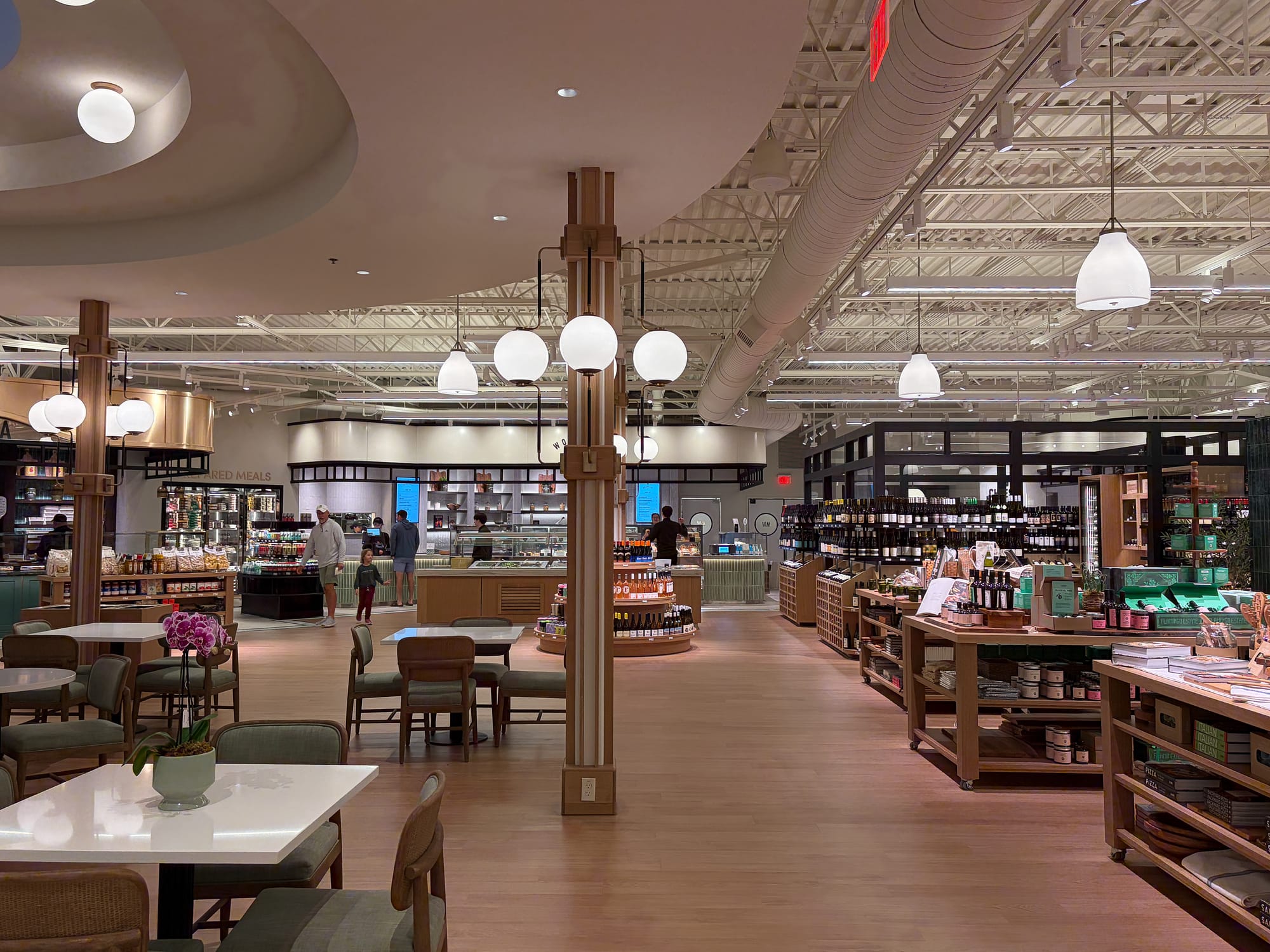
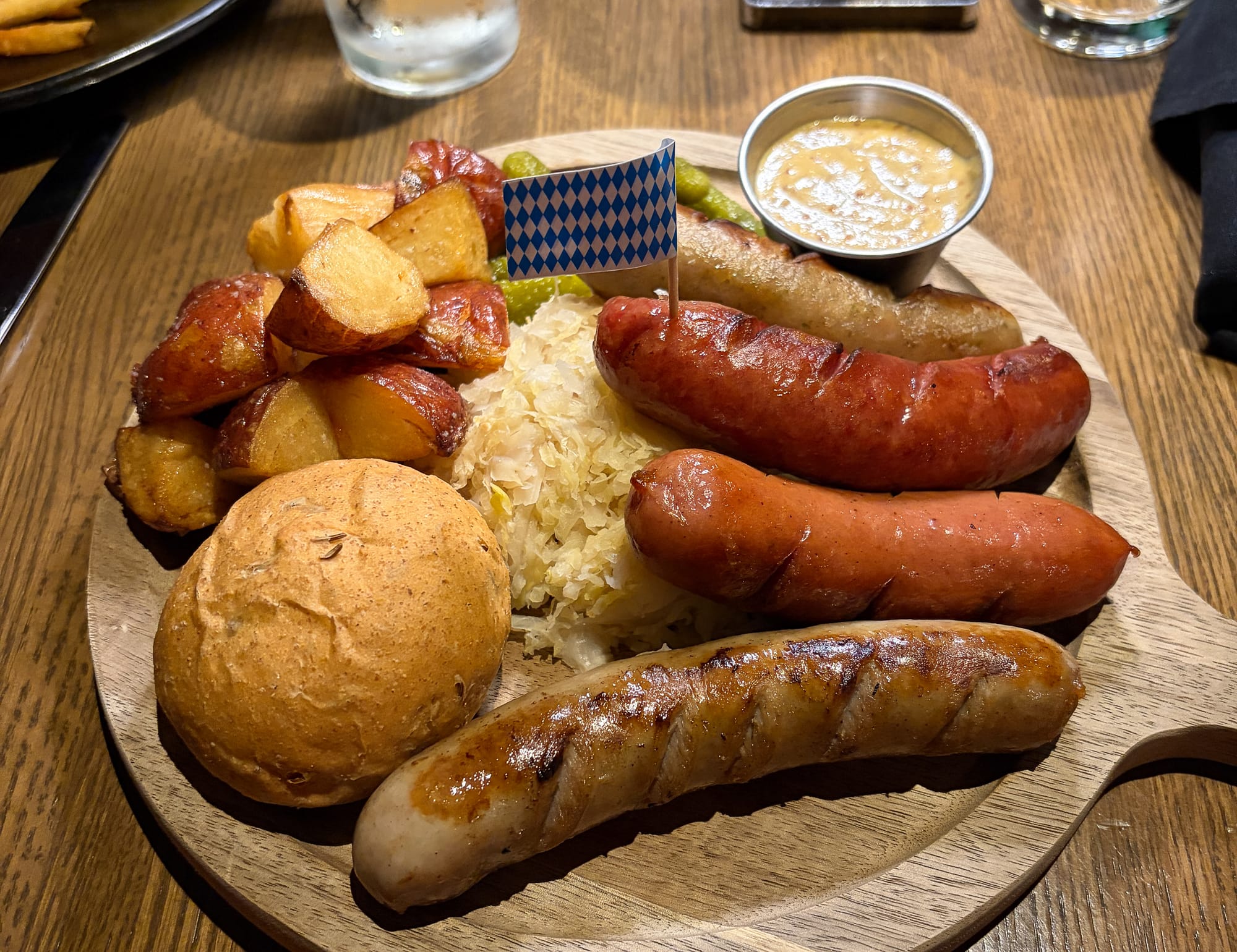
World's Nicest Grocery Store and 4 Brats
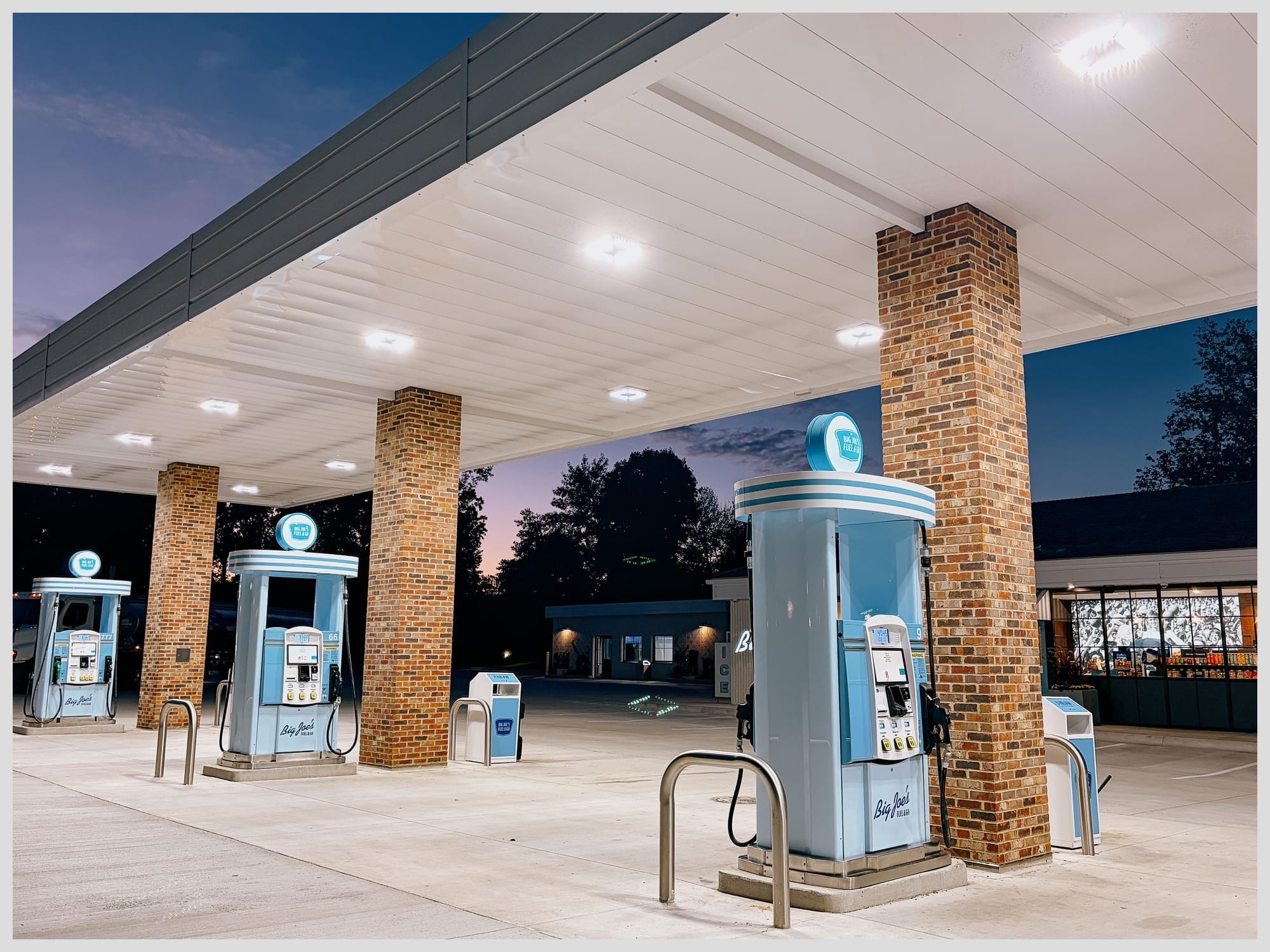
Food at the Horse and Plough is a great representation of the region’s cuisine (bratwurst, fish fry, cheese curds). Drive around the corner and visit the world’s most beautiful grocery store, where each radish is placed intentionally. The investment only makes sense as a B2B show room. The cashier told me the redesign took 11 months. Drive across the street for sight rarely seen in the midwest: a clean gas station.
I’m not entirely sure why Sheboygan isn’t higher rated. They have a museum that punches above its weight, a photogenic shoreline park and, apparently, a healthy surfing culture. Is it because the name is a little silly? The polka culture parody in Home Alone? The power plant down the road?
Whatever the case, I also appreciate that the mayor of Sheboygan is the only North American mayor participating in the global swimmable cities initiatives.
Musical talent, like the population itself, is sparsely distributed in the Upper Peninsula. Jeff Cowell is one of the few notable musicians, but his records are almost perfectly representative of the UP: spartan, angular, restless, unvarnished. Cowell graduated from a high school near Iron Mountain, left town immediately, lived an itinerant existence in the Rockies, Michigan, Chicago, and eventually landed back in Iron Mountain where he lived a conventional life. Along the way he met musician and weirdo Ken Nordine, who helped him secure professional studio time (sample Nordine's colors record).
Chicago journalist Jon Dale covers the story with much greater detail on his substack.
I’ll leave you with my favorite Jeff Cowell song as a send off.
—Michael Neault • written in the early hours • reply or comment and tell me your thoughts on Sheboygan or Marquette or anything else