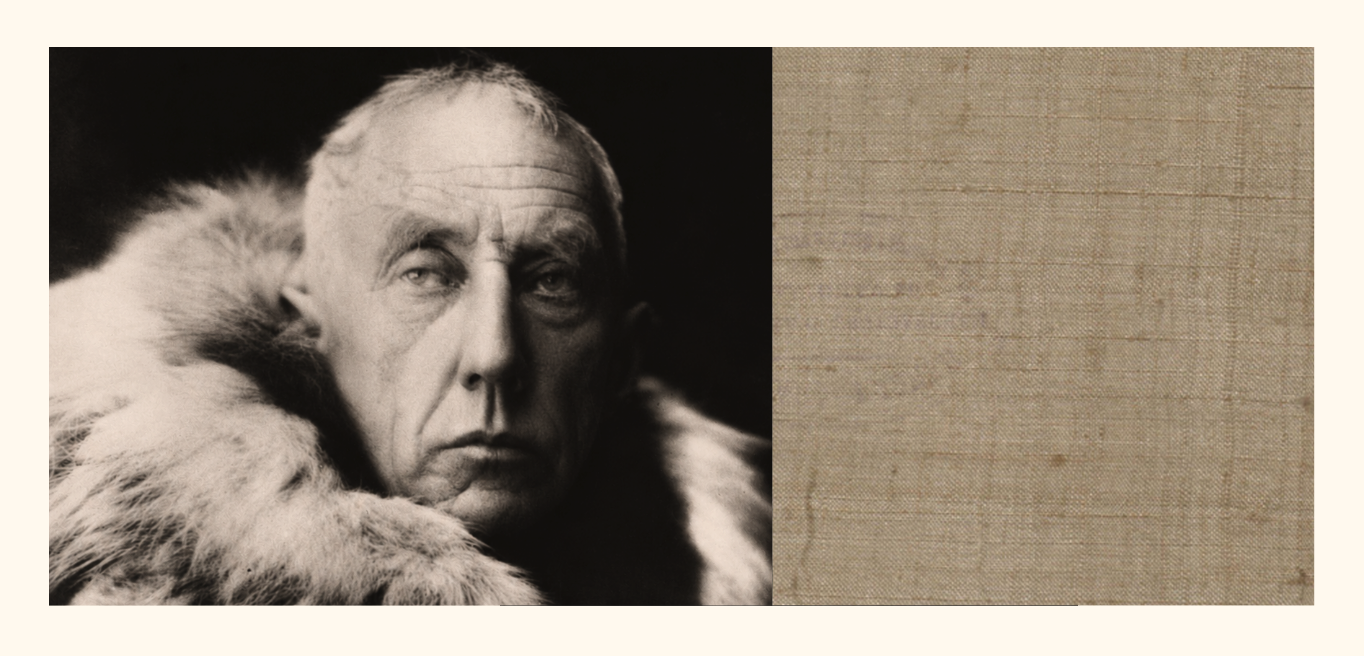
Ponies in the Arctic • American Surrealism • How Could a Song So Beautiful Become So Lost?


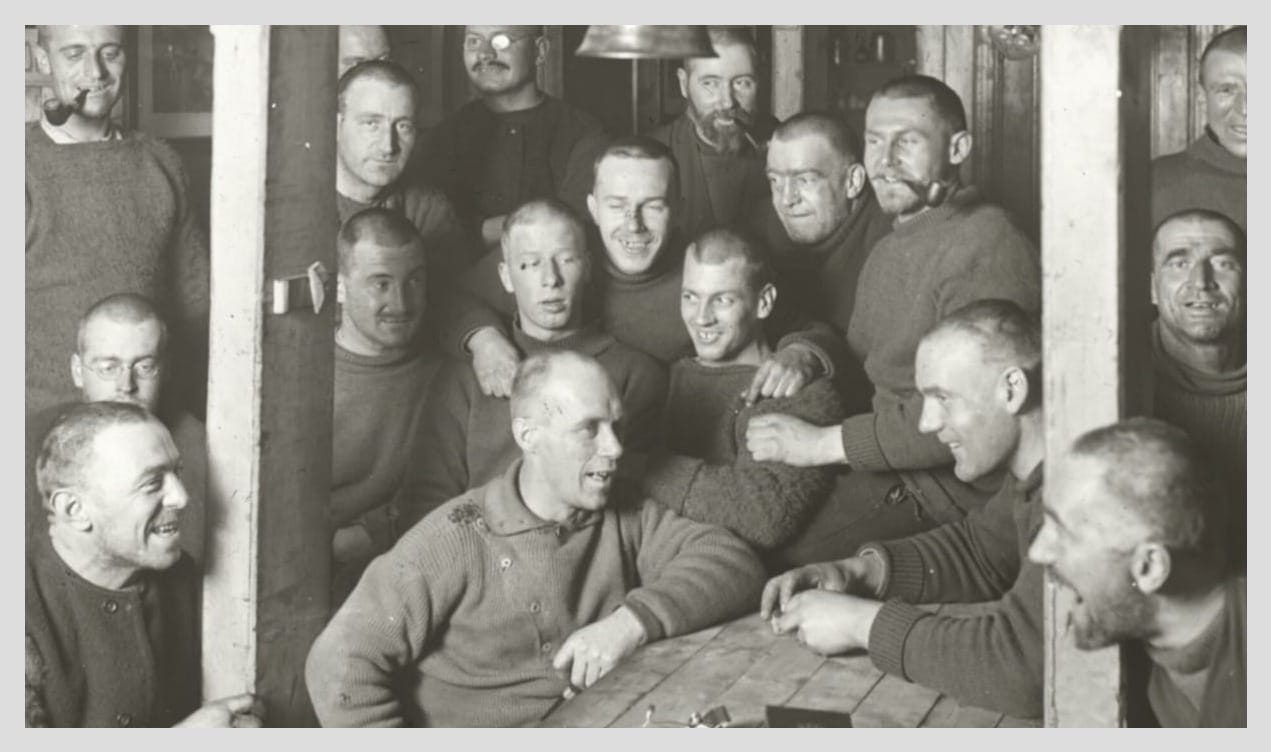
People love Shackleton, but I'm sorry to report that he made some boneheaded mistakes. Endurance is a great read. I loved that book. But it’s missing part of the story. The Endurance narrative mostly focuses on the insane and extremely risky escape plan that the captain was forced to attempt. Shackleton’s ability to cohere the team in the face of near certain death proves that he was confident, crafty and clear-headed under pressure. But, what are the miscalculations that precipitated that moment?
In fact, Shackleton was forewarned about the pack ice that would trap the ship. He proceeded despite the warnings. Further, a German ship had become trapped in pack ice just two years earlier. The expedition was bound for a bay along the Antarctic coast that was under-explored and largely unproven as a safe harbor. En route to the final destination, Shackleton sailed directly past an open harbor that would’ve provided shelter.
“I named the place Glacier Bay, and had reason later to remember it with regret.”
He sailed right on by. It’s a good thing he had strong leadership skills. If I knew our leader had navigated past a comfortable bay and then proceeded to get our ship frozen in pack ice for 10 months inside a wooden vessel that later irreparably splintered and stranded our crew in Antarctica, I would’ve been … perturbed.
In contrast, Norwegian explorer Roald Amundsen, the man who first planted a flag at the South Pole, studied the frozen territory exhaustively and lived for multiple winters with the Netsilik Inuit in the Canadian Arctic.
Roald Amundsen’s competition in the race to the South Pole, Robert Falcon Scott, was deeply resourced with supplies and technology. Yet, he too suffered from inexperience. And hubris. The crew brought motorized sledges and ponies. The sledges failed almost immediately (one fell in the ocean). The ponies all died. Dogs and skis were available, but they used them ineffectively.
A young explorer with the colorful name of Apsley Cherry-Garrard, affectionately known as ‘Cherry’ to friends, joined Falcon Scott on the ill-fated South Pole adventure and later recounted the story in a book entitled The Worst Journey in the World. During an expedition to collect emperor penguin eggs, Cherry became exposed to temperatures so cold that his teeth chattered uncontrollably, violently enough to shatter. The Worst Journey in the World is less known than some of the other books written about the age of Arctic exploration, but perhaps it’s more accurately named.
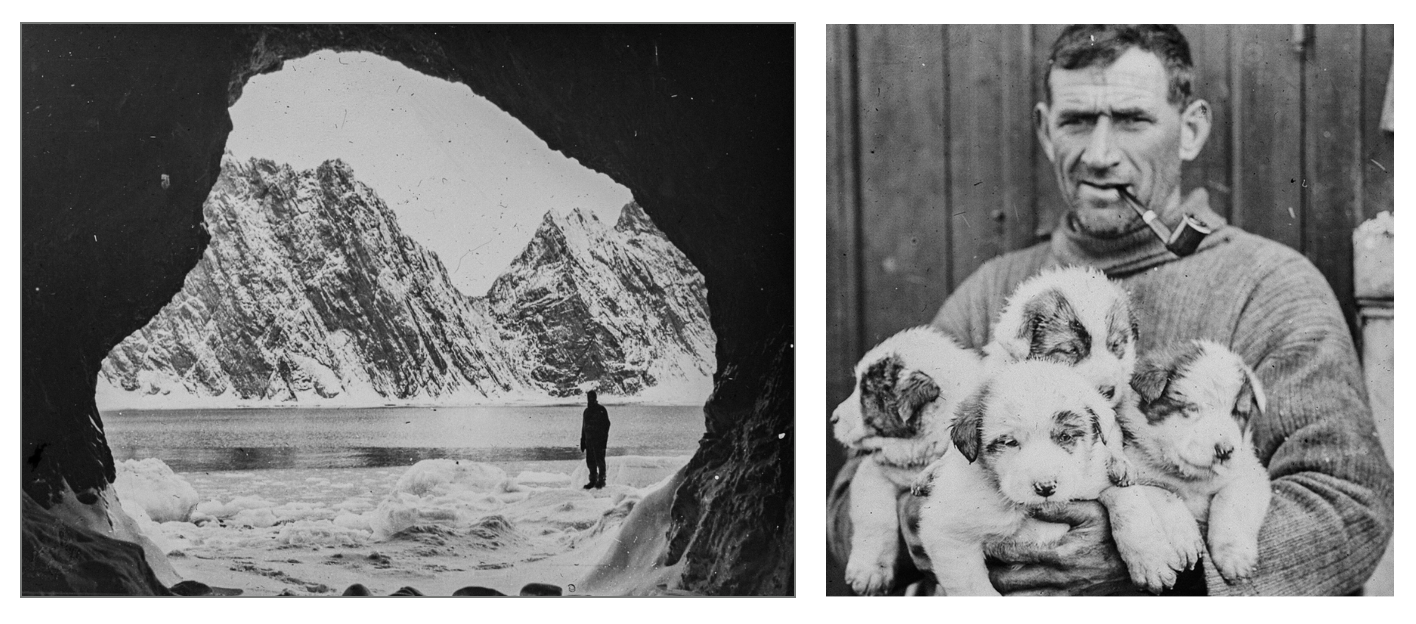
Amundsen built his strategy on the accumulated and tested wisdom of arctic cultures and combined that with training, an experienced crew, and calculated risk.
Ernest Shackleton planned a trip that would be successful only if every single plank of his planning fell perfectly into place. Unfortunately for him, that did not happen. Even if the crew had made it to shore, the risks were extremely high. He left no margin for error. Widely celebrated is the fact that Shackleton returned to the UK with his entire crew intact and alive. Less reported are the deaths within Shackleton's supporting crew that landed on the opposite side of Antarctica. Three men died attempting to lay supplies for Shackleton. Two disappeared attempting to cross sea ice during a blizzard and may have drifted off into the ocean, never to be seen again. No one knows what actually happened.
Shackleton is the more famous name. Amundsen was the more competent explorer. Who would you rather roll with?
There’s probably a linkedin post buried in this narrative, but I’ll let the reader connect the dots.
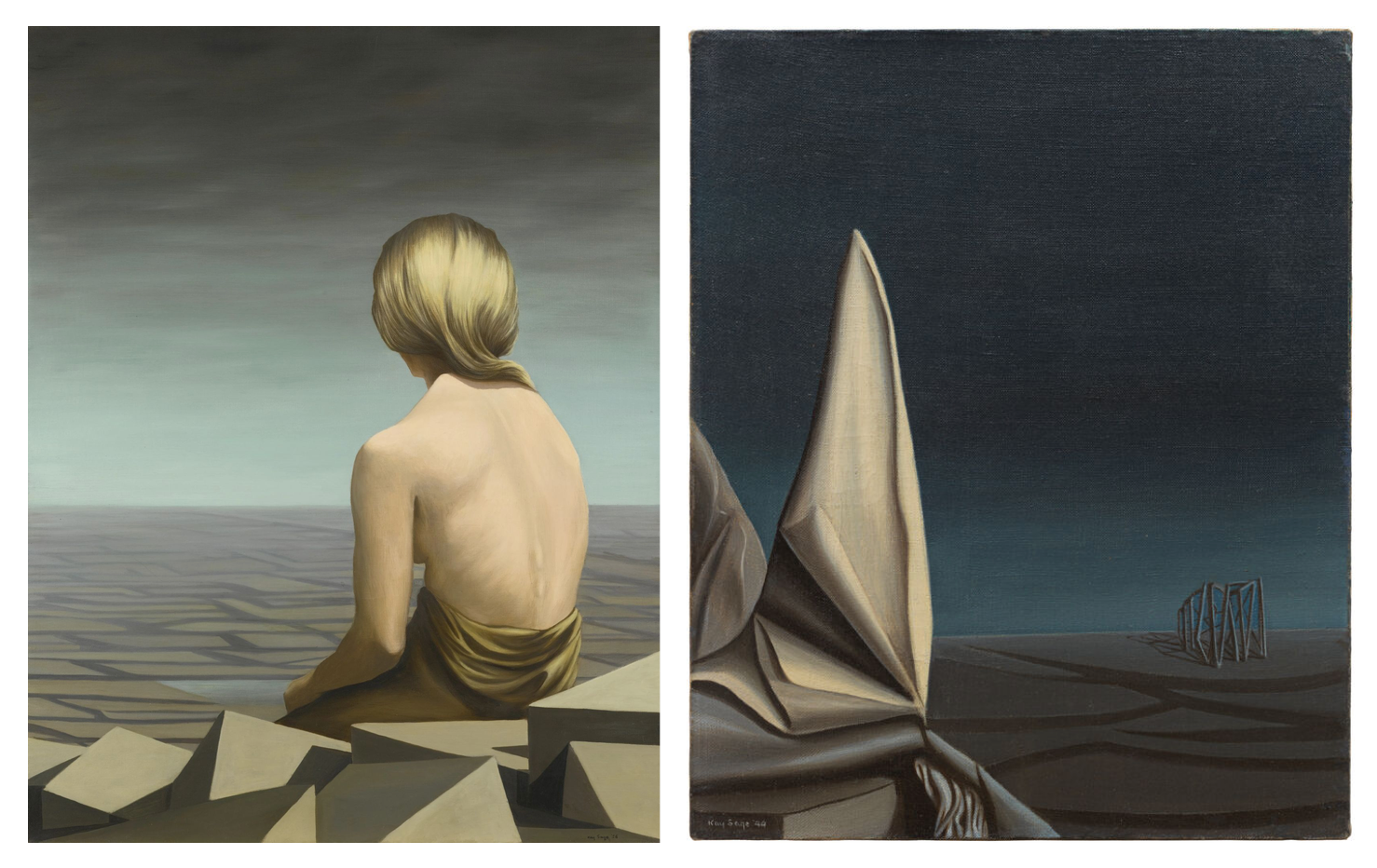
Kay Sage was an American surrealist painter and poet who grew up in the capital region of New York state, later moved to Europe, married an Italian prince, separated, and later married French painter Yves Tanguy. The description of Midnight Street, the painting on the right, written by an anonymous writer at SFMoma is so good—
“Kay Sage was not inclined to explain her paintings. When asked about one of her works, she famously said that she knew “nothing of [its] origin except that I painted it.” There was, however, a certain observation that she readily made: “I do know that while I’m painting I feel as though I were living in the place.”
“If you could only listen to one song for the rest of your life, what would it be?”
“Yesu ka Mkwebaze by Noviciat de Soeurs Missionaires.”
That’s a quote from an interview with an Irish musician named David Hedderman. It’s hard to imagine a scenario where a human is forced to listen to a single song for the rest of their life, but nonetheless, this is a bold claim.
Here’s a link to that song on youtube. I recommend listening to it while you read this next section.
To try and describe this song is to expose its mystery. Although when I do listen, the other sounds in my life tend to fade out and I can only hear their voices, as if it were a soundtrack in a movie. The song first came to my attention when I was living in Portland, Oregon, from a compilation made by the great Mississippi records. I immediately wanted to hear more. My first search for the musicians turned up empty. So did the second. Over the years I would occasionally think about researching the choral group in an attempt to track down the full record. Each search hit a dead end.
For those interested in the provenance, the song was composed by a Ugandan Catholic choirmaster (Benedicto Kyatuuka Mubangizi ), written in his native African language (Runyankore-Rukiga), and performed by missionaries in Montreal, Quebec. The choir is part of a larger organization known as Sœurs Missionnaires de Notre-Dame d’Afrique, but the recording was made by novice sisters-in-training ("noviciat") in Montreal, Canada. From what I can tell, the song was recorded at Studio Marko, by Jean-Marc Audet, released as private press, and featured the voices of five women with very French-Canadian sounding names. My best guess is that they pressed less than 50 copies.
Lyrically, the song is an expression of gratitude. The singer speaks directly to her savior, humbled by acceptance despite poverty. Further, it’s about surrendering to hope in the face of the unknown.
To you I entrust my life.
Guide me safely,
You who are my hope
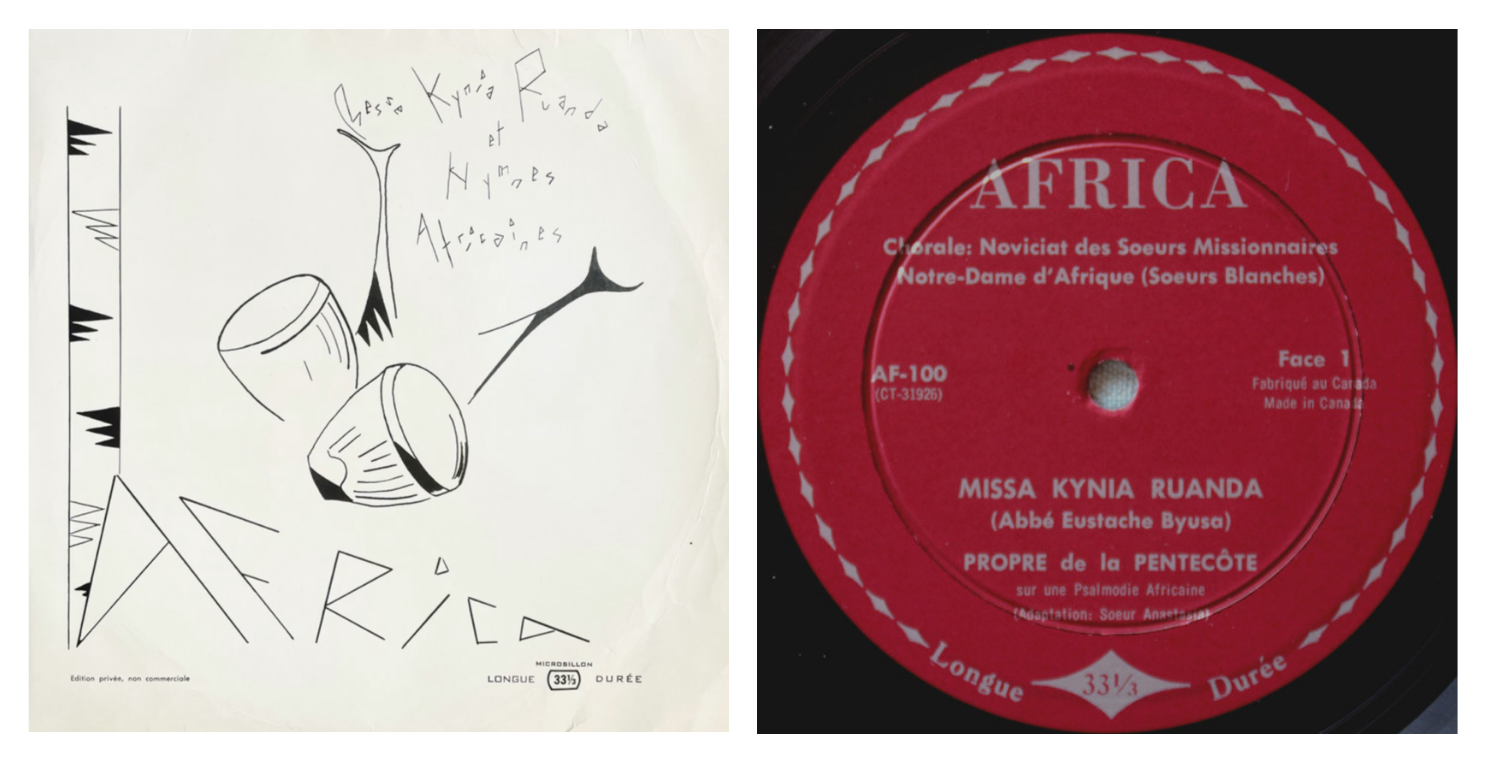
Last summer, a youtuber named Tofu Ramen uploaded the entire record. The album title translates to Mass in “Kynia Ruanda” (or literally, mass in a Rwandan language) and African Hymns. The song came to mind earlier this week and rather than falling asleep on Monday night, I stayed up late piecing the story together and listening to the devotional album in its entirety.
Astonishing to think that a song so beautiful could be obscured for so long.
—Michael Neault • I'm traveling to New Orleans next week • what should I eat? • reply to the newsletter and it goes to my email