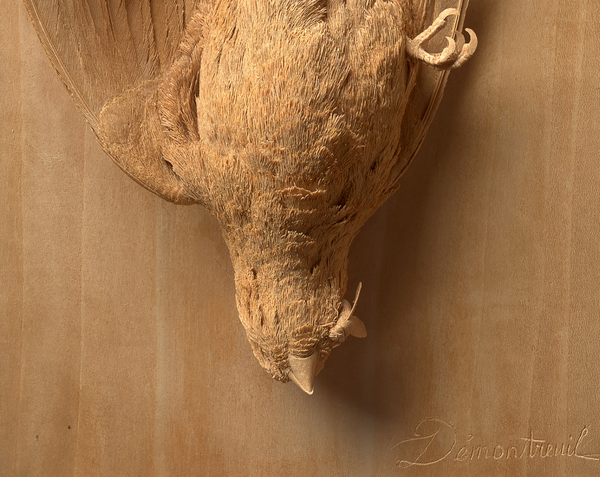
Smile School • Hardest Part of International Travel • Art Zoo • Sacred Bookshops • Retirement Suggestion • Waffle Obsessions in Germany • Cat by a Fireplace
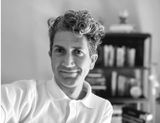

Bad at Smiling. Nope, I was never a natural. I’ve always wanted to have this skill, I just don’t. Sometimes I’ll feel like I’m smiling internally and then I realize (or maybe Sarah will tell me) that I have no expression on my face. Why is this? Culture, anatomy? I’m not sure why. My Father was never a model for expressiveness (French-Canadian catholic origins), but he wasn’t ultra stoic. I’ve never been super comfortable with my teeth (I’m anatomically missing my incisors), but I’m not that sensitive about it.

So, I’ve set an intention to improve (and not be fake about it).
When I was in college, I remember reading an article about Japanese businessmen who were sent to “smile school” to improve the warmth of their facial expressions. I do think it may be a muscle that one can improve with effort. It’s also possible that, like my teeth, I’m just missing that muscle.
I also think authentic smiling may naturally promote well being. The Buddhists know this. And there’s some studies that support this idea. Smiling, even internally, sets a mindset that one could be happy, even if one is not.
Americans, for the most part, are naturally smiley, so there’s plenty of people with whom to practice. Maybe I’ll get better. Or maybe I’ll get worse. The future is hard to predict.
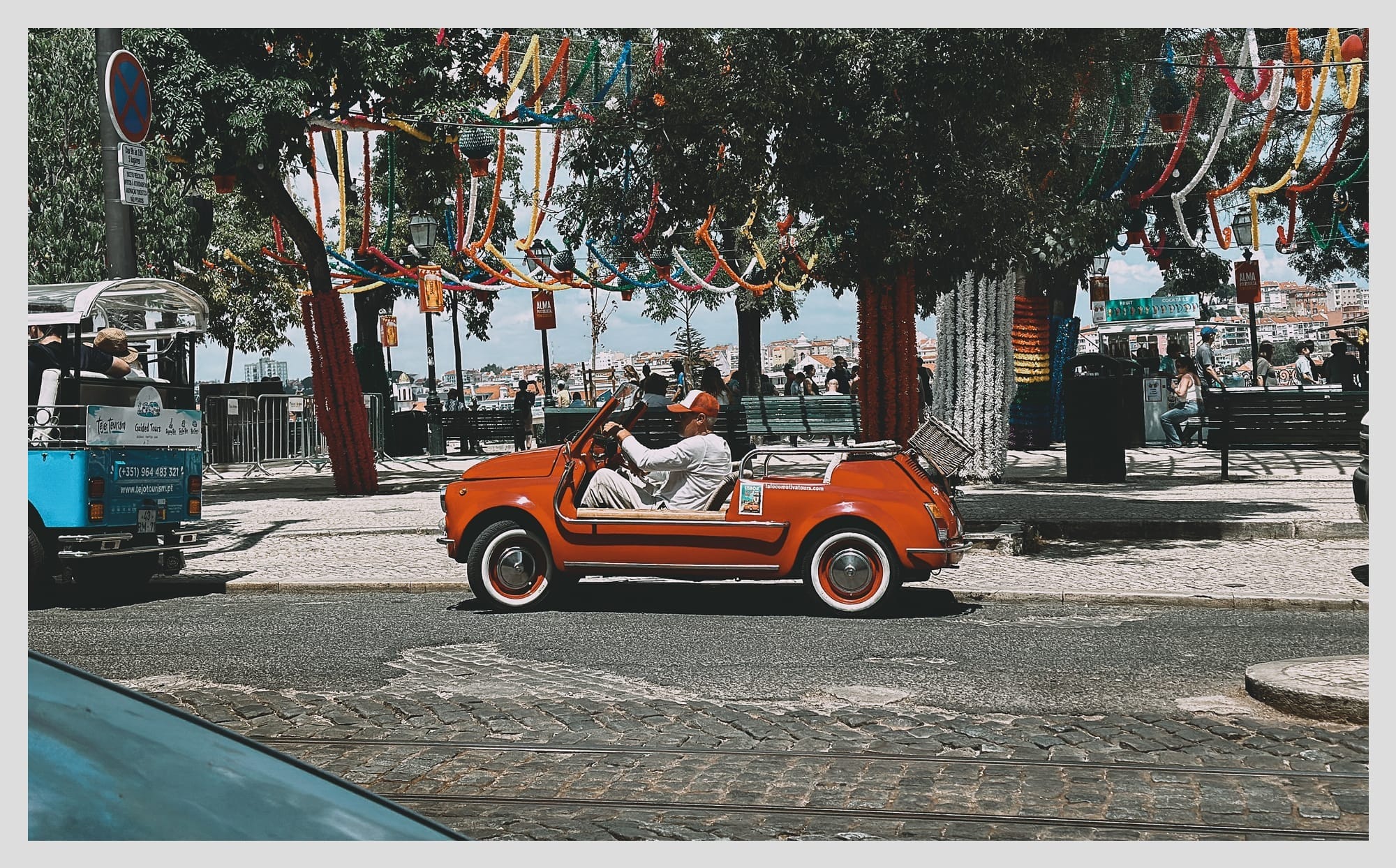
The hardest part of international travel. It’s not ordering food, finding good accommodations, or even jet lag. It’s plugging your phone into a foreign rental car. Whenever I try to navigate from my phone, the technology fizzles, sparks, and a little puff of smoke emerges. Maybe there should be online simulators where you can practice using the dashboards of international cars?
In the last car I rented, I was absolutely baffled when trying to put my Citroën into park, an essential mode for any moving vehicle.
So, here’s my pro tip. Spend 10 minutes orienting yourself with a car before driving in an unfamiliar city.
I spent 3 days in 3 very different cities this past week: Genk (Belgium), Maastricht (Netherlands) and Monschau (Germany).
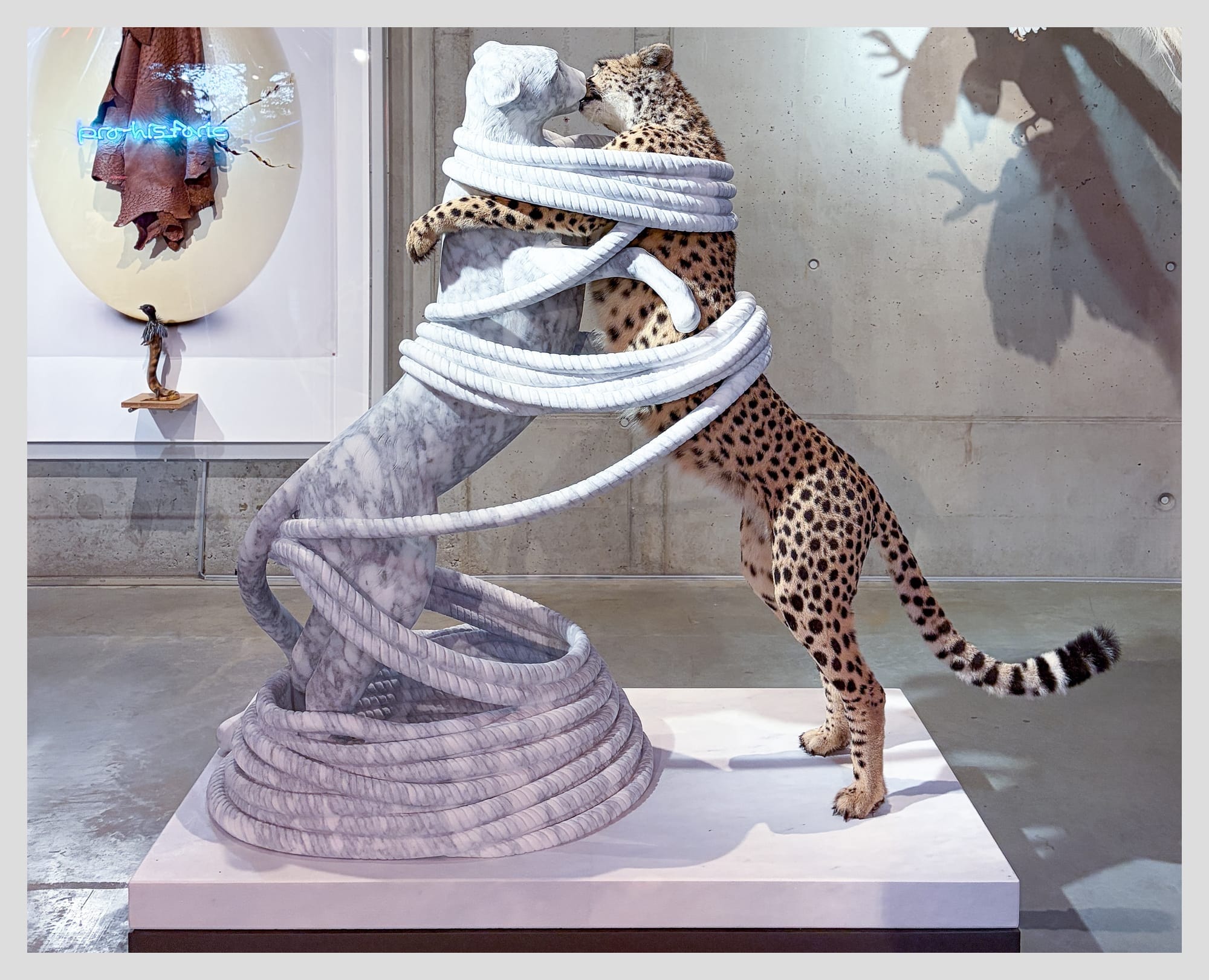
In Genk (not Ghent, as I was surprised to find out), I spent most of my time at the campus of La Biomista, a hard-to-categorize organization that sits at the intersection of art, biology, and artist workshop. Belgian artist Toen Vanmechelen is the driving vision for La Biomista and on the site you will find a museum, sculpture park, a zoo (but not in the traditional sense), walking paths, community hubs, and biological experiments.
Other than the strange, hybrid creatures placed around the campus (both living and non-living), I think I was most surprised to see the artist’s studio. The space was a massive warehouse and studio space, filled with tools, materials, experiments, crates, and many things I could not identify. This was not a quaint artist’s studio, Toen is clearly equipped to produce at the enterprise scale and has a vision that extends beyond the art gallery market.
In a southern lobe of the Netherlands, located immediately between Belgium and Germany, you will find the compact Dutch city of Maastricht. Population is ~120,000 and it takes about 20 minutes to walk from one corner of the city to another. If you’re looking for a starter city for European travel, I can’t think of an easier on-ramp.
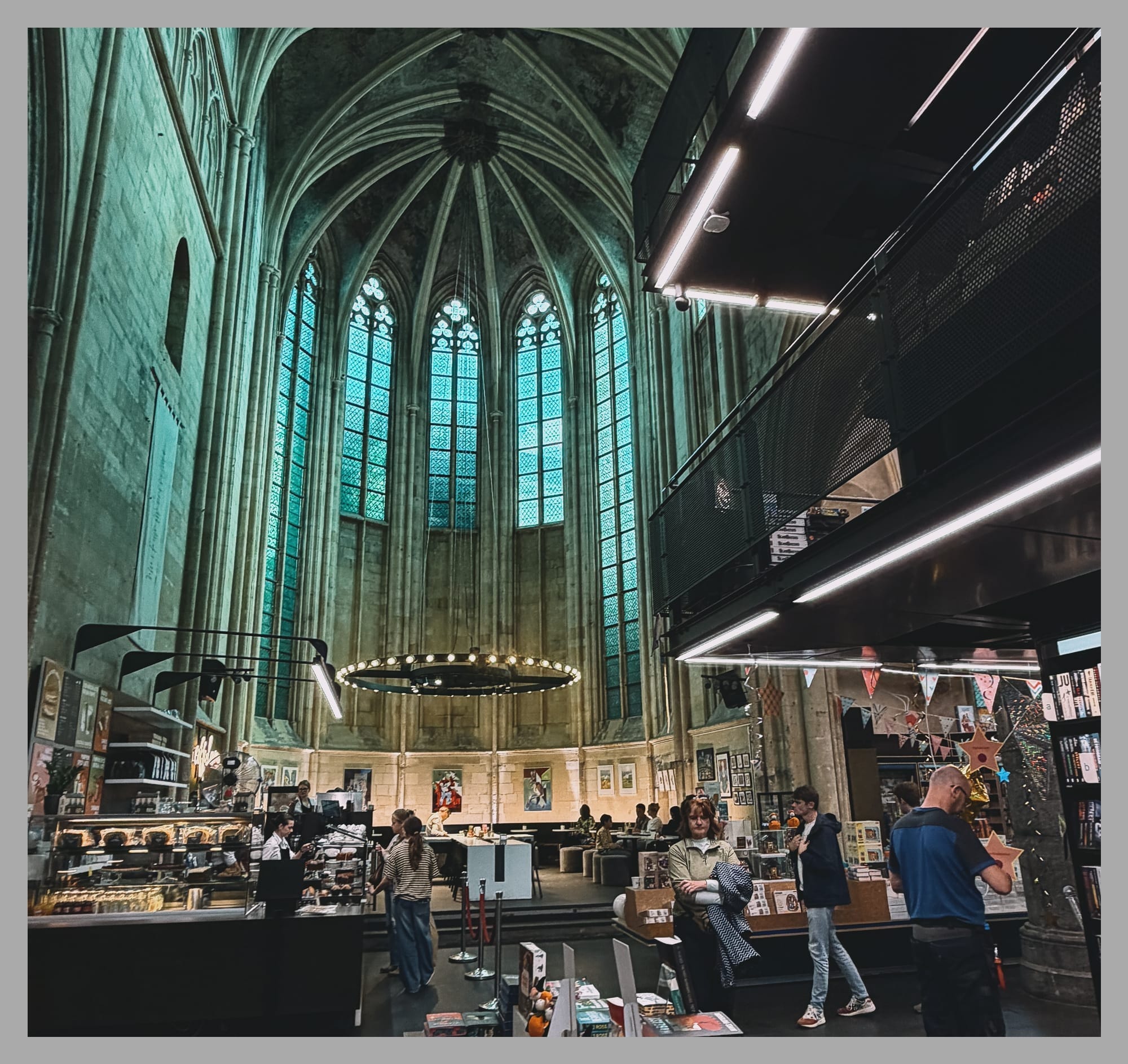
In the city center you will find a massive church that has been repurposed into an excellent book shop. When I asked a local if people had stopped attending services, she explained that there’s another church right next door. Practical. The clerk also used a word that did not translate easily (Bourgandisch) — to describe the cultural distinction of being relaxed, convivial, and with a disposition to enjoy life. Very different, as she pointed out, from the northern Dutch cities.
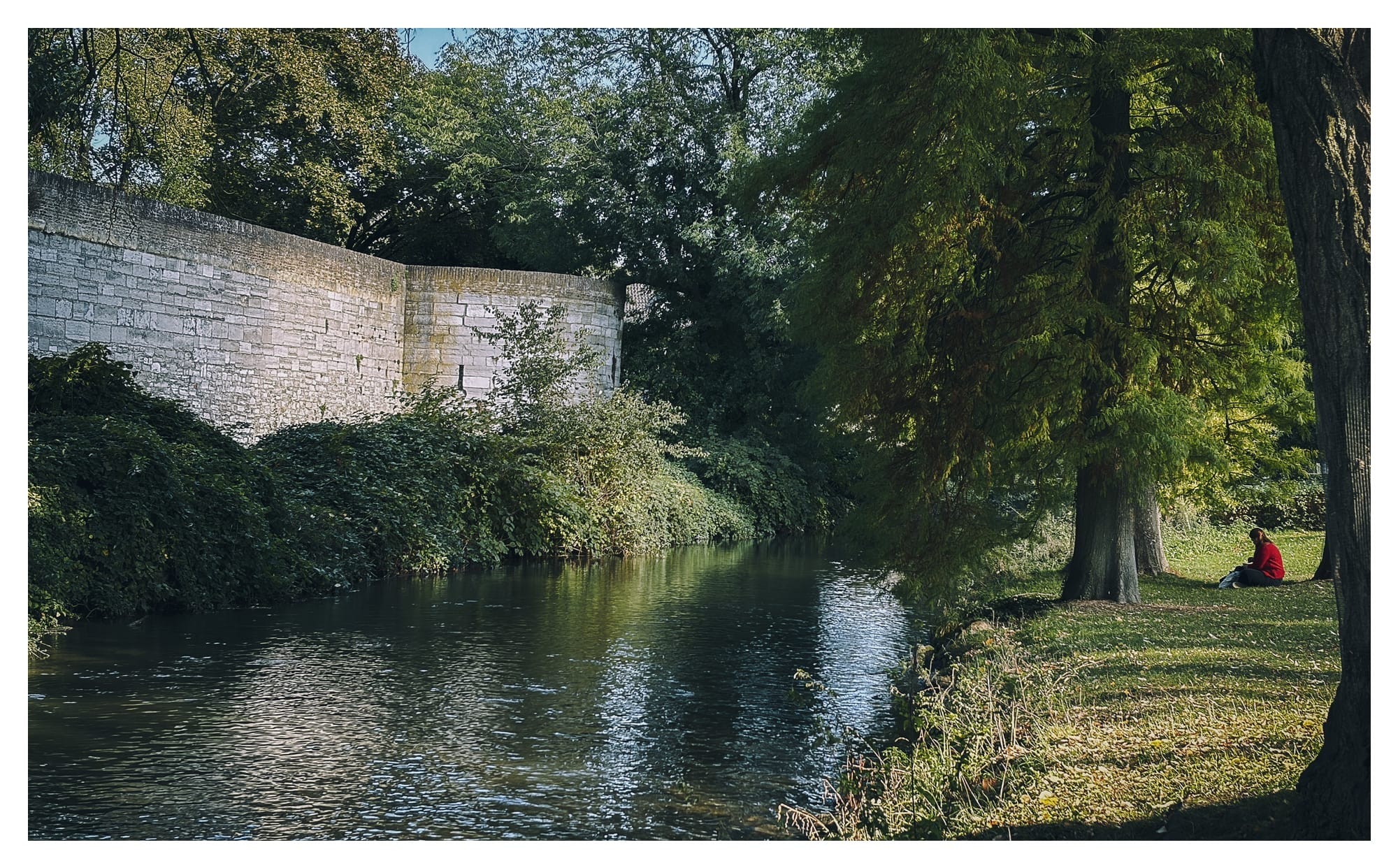
Walking along the cobblestone streets and lime-washed brick buildings near the University, I still find it hard to believe that it was only founded in the 1970s. Someone has been very successful at repurposing the city’s urban design. Along the riverfront, a former expressway is now buried, along with a car park, which I found to be both extremely clean and extremely convenient.
Maastricht would be a truly great place for a suburban American to retire. The idea is unlikely to cross their mind but they would find many things to be functional and delightful.
Food was terrible in Monschau. I’m sure if I had more time I could find some delicious, regional cuisine, but the finer options did not immediately present themselves. I admit that I walked away from a cafe when it only offered a fake looking pizza and waffles. The AI-generated artwork on the menu didn’t give me confidence.
The town was obsessed with waffles.
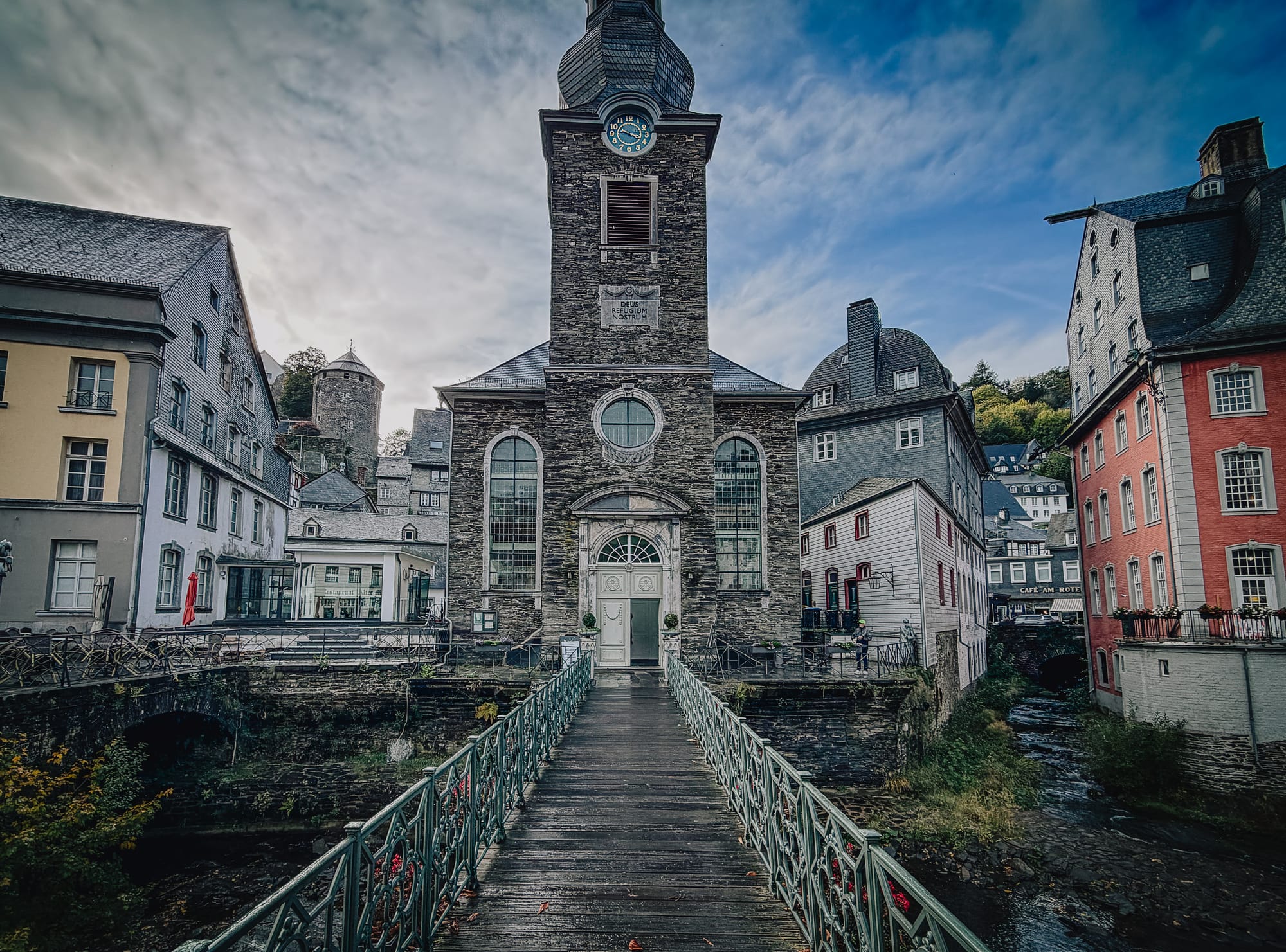
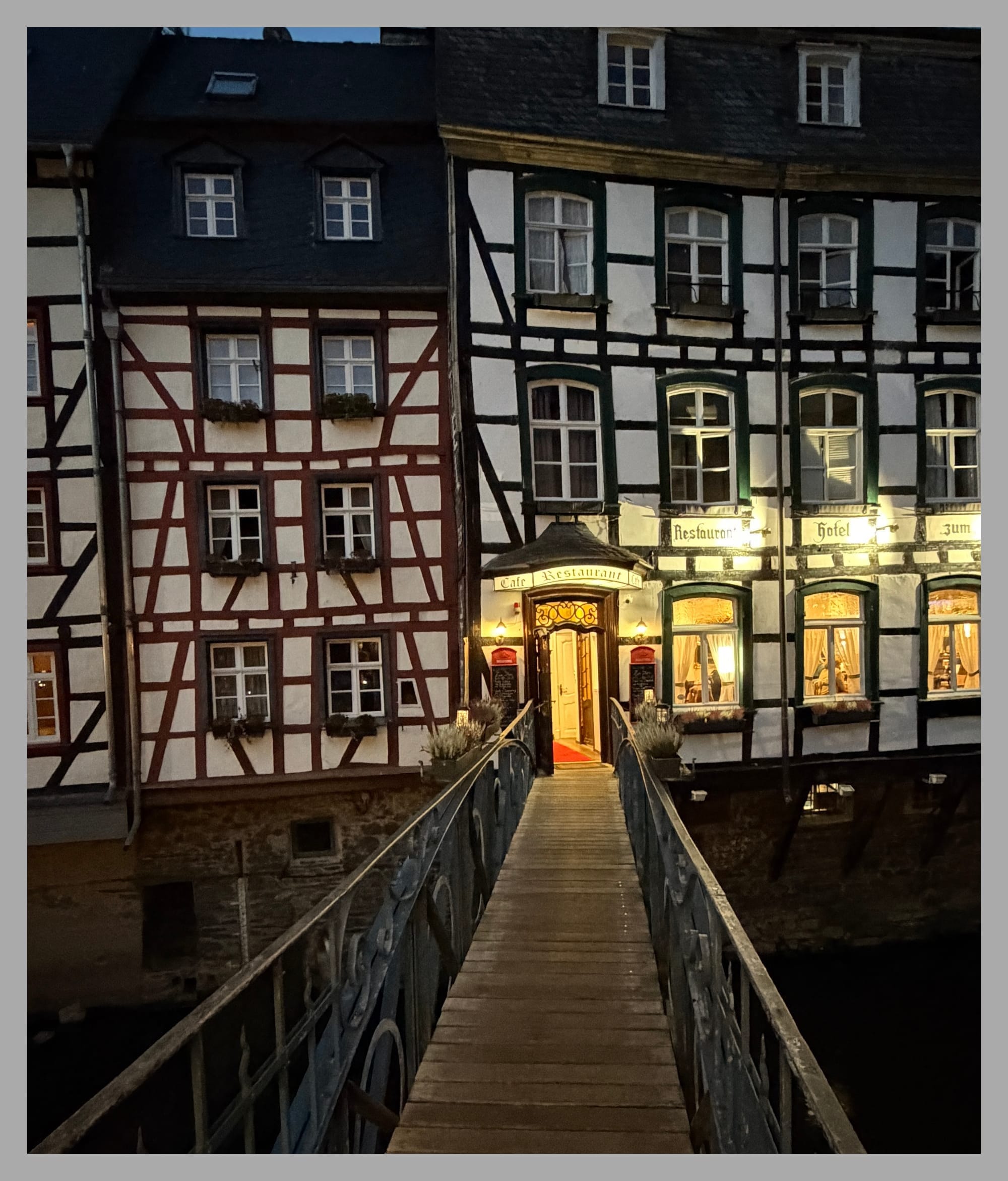
Altestadt (old town) Monschau is located at the intersection of multiple rivers and waterways enlace the city — running through buildings and along city streets. The sound of water is never far away. I stayed in a house from the 17th century. They had great WiFi.
Many of the roofs are constructed with thin, scalloped slate stone, gathered from the surrounding area. Some roofs have gentle arches, which gives the visual effect of looking like reptilian scales. One gentleman I spoke to said it was almost impossible to find artisans to fix the historic houses.
I saw one house with 3 guys on the roof, so it can’t be that hard.
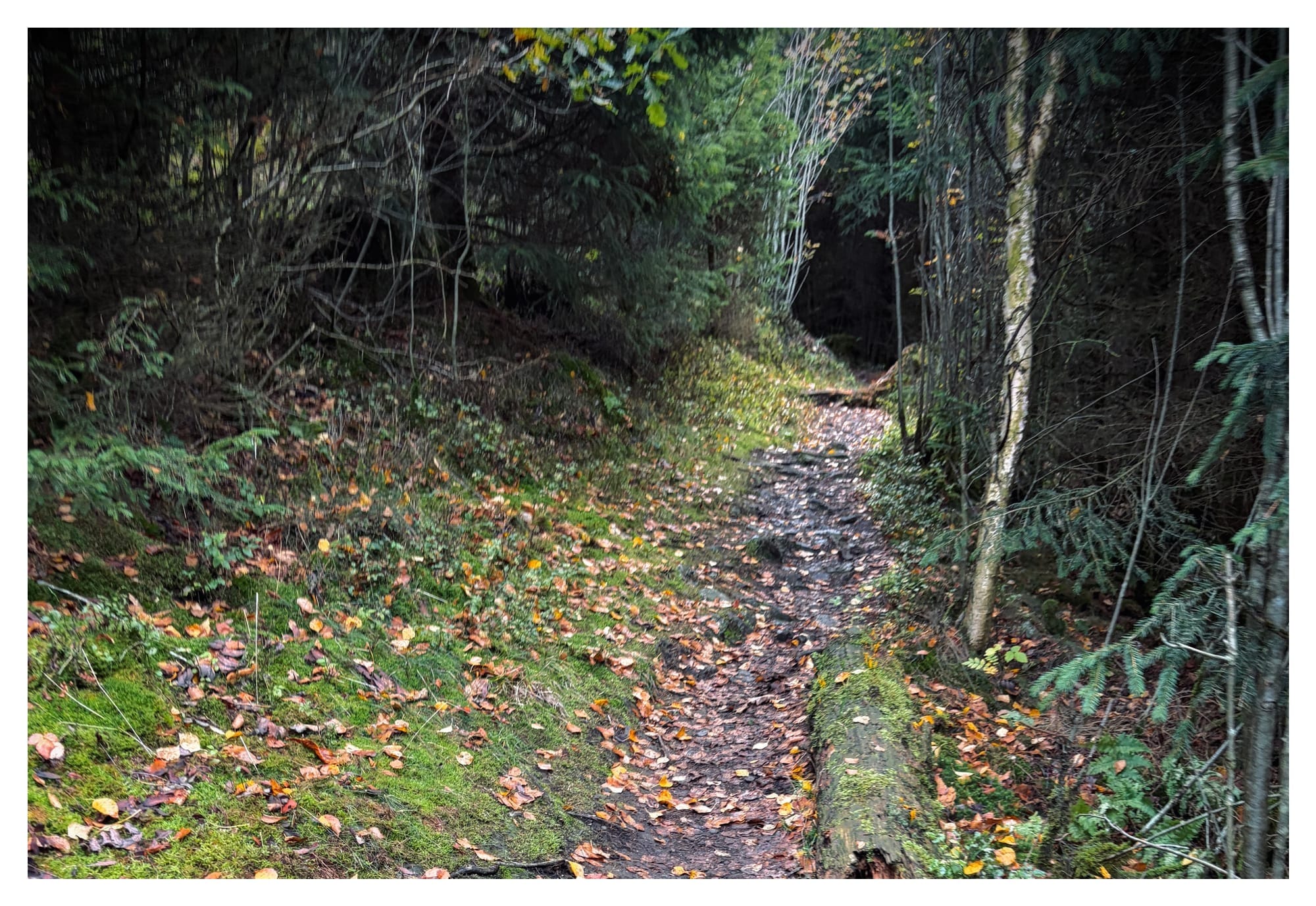
Trail running is really one of the best ways to see a region. You cover a great deal of geography and learn how the city and the country fit together. Often, it will take you well beyond the well maintained tourist epicenters. I ran the Klosteroute trail (translation: Monastery trail), which traversed Grimm-like forests and misty, well-maintained farms in the valley.
I was a little disappointed to not see a single monastery, as the trail name suggested.
Unless you come off as phony, the smile experiment really has no risk. Vietnamese Buddhist Thich Nhat Hahn incorporates smiling in mindfulness exercises. Here’s one I like—
Lie on your back on a flat surface without the support of a mattress or pillow. Keep your two arms loosely by your sides and your two legs slightly apart, stretched out before you. Maintain a half smile. Breathe in and out gently, keeping your attention focused on your breath. Let go of every muscle in your body. Relax each muscle as though it were sinking down through the floor or as though it were as soft and yielding as a piece of silk hanging in the breeze to dry. Let go entirely, keeping your attention only on your breath and half smile.
Think of yourself as a cat, completely relaxed before a warm fire, whose muscles yield without resistance to anyone’s touch.
—Michael Neault + partially written on the plane ride back to Chicago + Reply with your notes