Wooden Feathers • Reggae and 70s Monetary Policy • Purchasing Towel Warmers Online • the Mirage of Competence • Gravity, Grand Pianos, and Broken Skulls • Singing (and Dancing) in Bad Weather



Remarkably, this artwork is made from finely carved wood. If you’re in Vienna, it’s in the Kunstkammer room at KHM (KunstHistoricheMuseum), their canonical fine arts museum. If you can’t make it to the gallery, the web source is worth visiting to look closer at the crazy intricate detailing. The artist, Jean Démontreuil, was a Frenchman specializing in trompe l’oeil woodcarvings in the late 1700s. Apparently, the 1780s and 1790s were the halcyon years to be an artist working in wood relief carving.



Reggae commentary on early 70s Jamaican monetary policy. “Credit Squeeze” takes so many (seemingly) dissimilar ideas and brings them together in one song. The melody interpolates Lennon’s Give Peace a Chance (!) and the lyrics are a topical take on Jamaica's economic policy, a policy that was making it very hard for people to borrow money at the time.
Listen on spotify: Brentford All Stars, Credit Squeeze

It’s mostly an instrumental and the minimal lyrics only repeat these lines—
You’ve got the cash and the credit squeeze
You’ve got the cash and the credit squeeze
All right
The lyrics appear to be directed at the government—they had the cash (kind of), but were restricting loans to consumers. There’s another bit to the lyrics that is unintelligible. I want to hear the words inflation and pressure (which would make sense), but I can’t credibly discern the words. Can you?
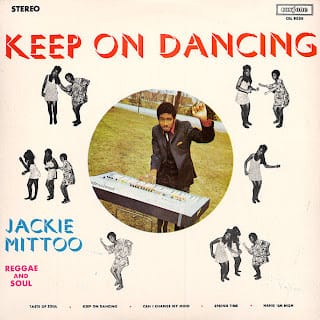
Brentford All-stars were the house band for Studio One, often featuring legendary Jackie Mittoo. Their most popular track, Greedy G (also fiscal commentary, apparently) is popular as a hip-hop sample (see Ghostface Killa’s riff on this one).

Finally. A brand that really understands me.
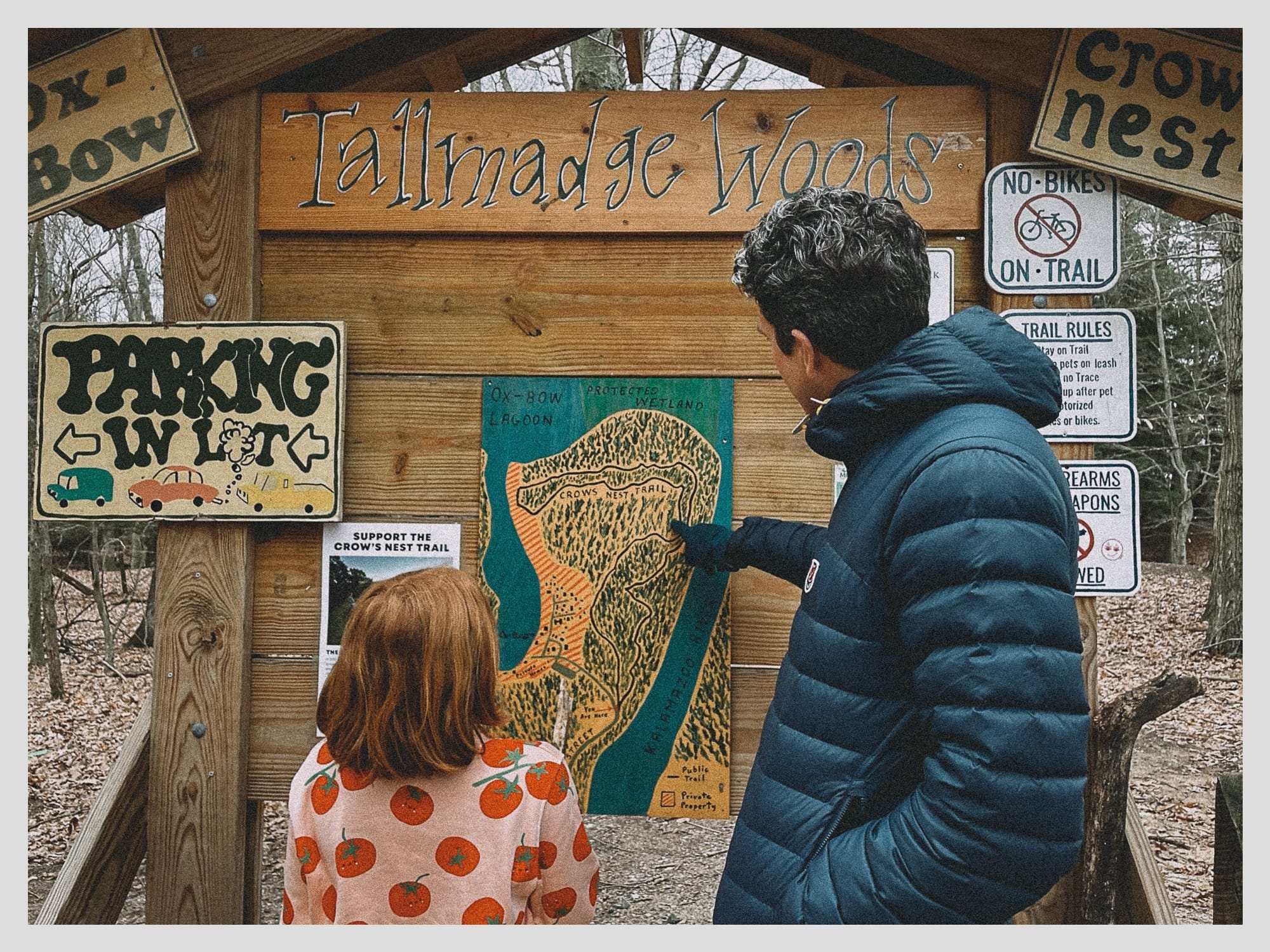
You don’t need me to tell you that AI chatbots can be a big help for trip planning, but I would add an asterisk to that premise. I’ve been doing AI-assisted research for travel for the past few years as a complement to standard issue travel R&D. My preferred suite of tools include: blogs, books, and maps (both google maps and real maps), and, in Europe, regional tourism websites tend to be very good. Hotel concierge and tourism offices are still worth consulting.
(As an aside, google maps will always be my favorite — it’s the one source where you can see city and geographic information completely raw (without the interruption of ads and SEO). That is, up until recently. It’s actually super disappointing that Google has been selling “relevance” on maps and putting their finger on the scale of the Z-axis.)
AI can slice through the noise and provide exactly the information you’re looking for. Therein lies the issue. Cognitively, it’s a shortcut. Learning, in my experience, works best when you create a working model of a place. I start with geography, then culture and history, then regional mannerisms. Bots will give you exactly what you’re looking for (“cozy cafe near the main square”) and that’s the risk. It’s a mirage of competence.
If you skip context, you miss an opportunity to synthesize the world yourself. Taste, and judgment are outsourced. I suspect this leads to a surface-level understanding of place. Also, bots come with a confidence that can be quite seductive. What happens when things go wrong? If you don’t have a general understanding of a place, how do you course correct? Recently, a Canadian teenager followed the hiking instructions of Claude and found himself trapped on a cliff (one source).
So, by all means, supplement travel planning with Claude. But don't let that be the sole source. Diversify your portfolio of knowledge, or risk an embarrassing airlift (metaphorical or literal) off the side of a mountain.

Has a piano ever actually fallen out of a window and crushed a human? If so, I want to know when, where, why, and see a corresponding visual for the newspaper story. In toontown, it appears to happen with incredible frequency.
Here’s the thing about that Canadian mountain climber story. It’s not entirely true. This is likely the case of a collective media narrative in search of fitting evidence. The general story is that AI is dangerous and misleading. This story fits perfectly. Naive teenager strands himself on cliff after following Claude’s directions. However, the teenager reports that he used multiple sources and that the trail was lacking in sufficient wayfinding (a different news report).
Hard to say what really happened and who, or what, is to blame, but I think the general idea of diversifying one’s knowledge portfolio is a sound approach.
My best parenting advice: Say nothing. Too often, I see parents fall into the trap of negotiation. They issue a directive, the child provides a rebuttal, forcing the parent to reiterate their rationale, often multiple times. That never works. You have to follow through with intention and body language. No more words. Don’t negotiate with a little terrorist. When you say nothing and communicate with your body, the child will implicitly understand that you are not fucking around.
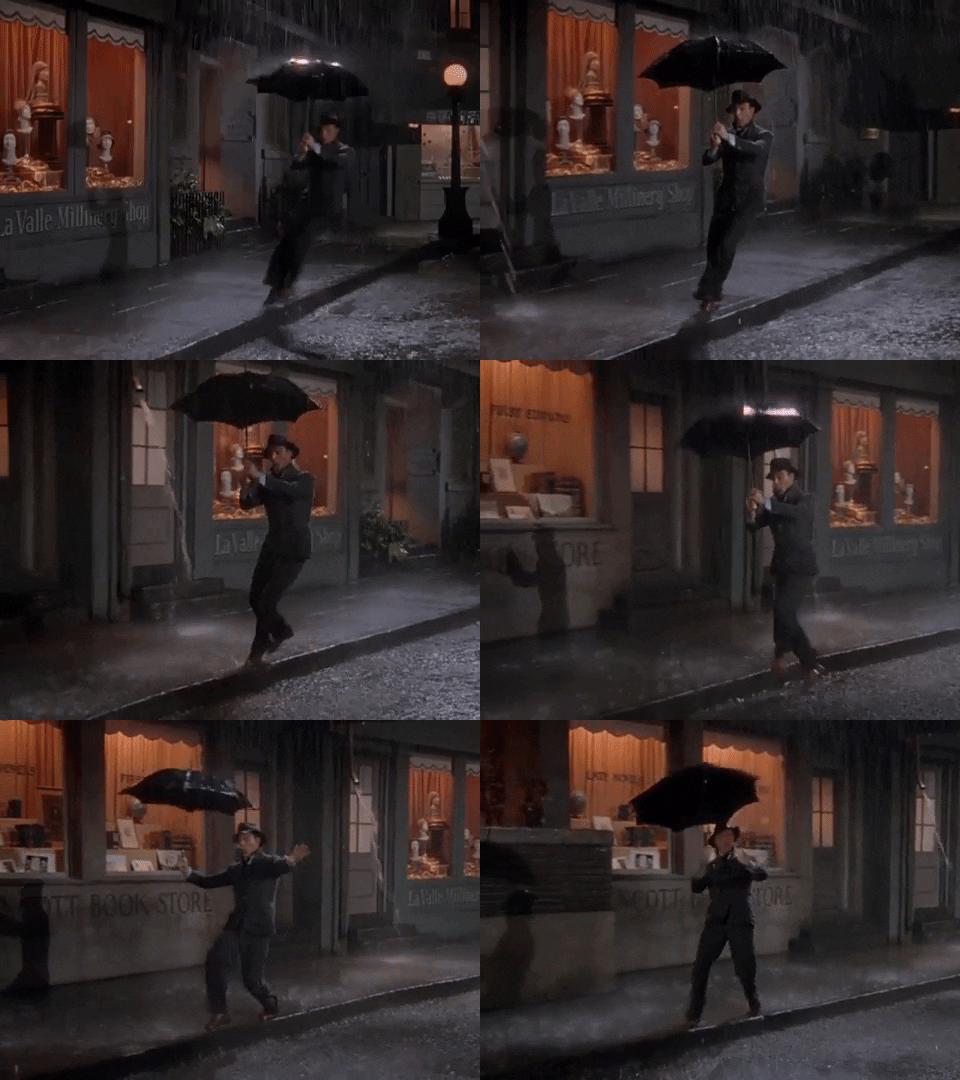
“Singin in the Rain” was written just before the great depression took down the American financial system and rendered much of the population in misery. The song was popularized well before the famous musical (find an early version by Cliff Edwards who would go on to be the voice of Jiminy Cricket in Pinnochio). Most versions, like the musical, are super theatrical. I always love when a cover song takes a musical standard, strips the glee, and makes it beautifully melancholic.
Listen on Youtube: John Martyn, Singin in the Rain (1971)
In this one, British folksinger John Martyn takes a bittersweet, minimalist approach. And if you know anything about his troubled, alcoholic career, you know the contrast between the song's rosy lyrics and his self destructive lifestyle. Still, the song stands for redemption and bliss, despite misery.
I'm laughing at clouds
So dark up above,
The sun's in my heart and
I'm ready for love
—Michael Neault • published before sunrise on a Friday • reply with your thoughts
PS. As reported by the Telegram Herald in Grand Rapids, on January 4, 1887, a 17-year old boy met his maker when a piano fell and smashed his skull.
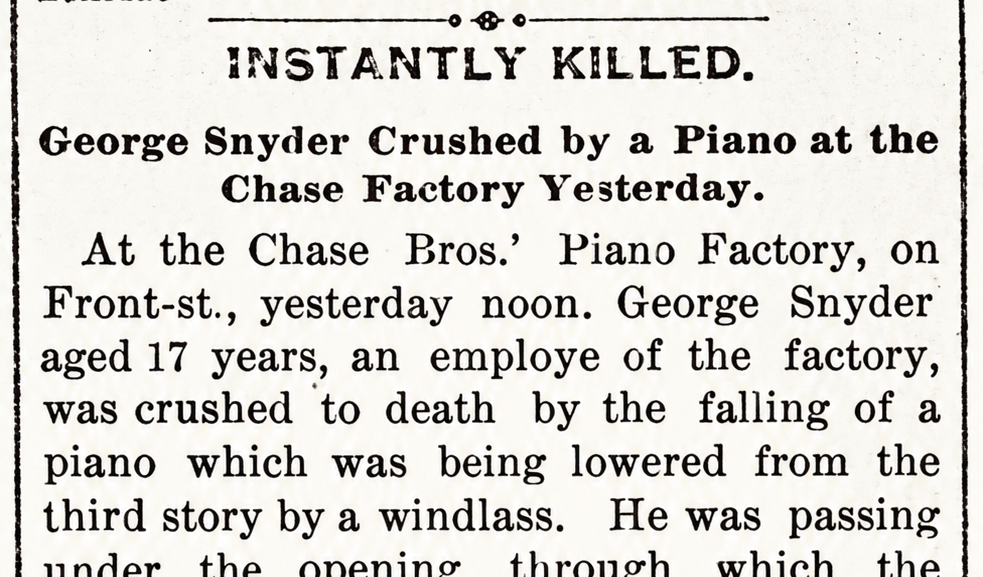
INSTANTLY KILLED
George Snyder Crushed by a Piano at the Chase Factory Yesterday.
At the Chase Bros.’ Piano Factory, on Front-st., yesterday noon, George Snyder aged 17 years, an employe of the factory, was crushed to death by the falling of a piano which was being lowered from the third story by a windlass. He was passing under the opening through which the pianos are raised or lowered, on his way to the front door, going home to dinner, when he met his death.