Adidas Modifications • Zebra painting • Perfect harmony • Bitter Italian soda

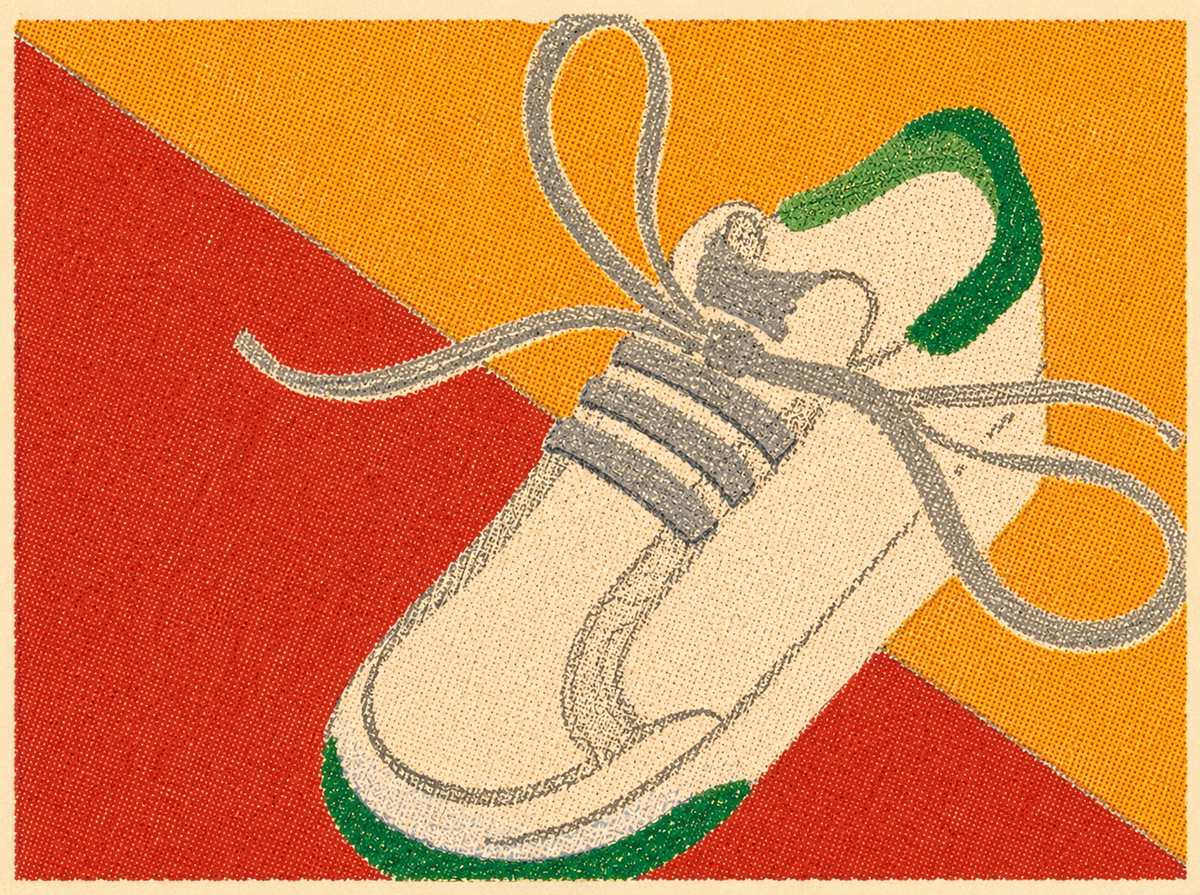
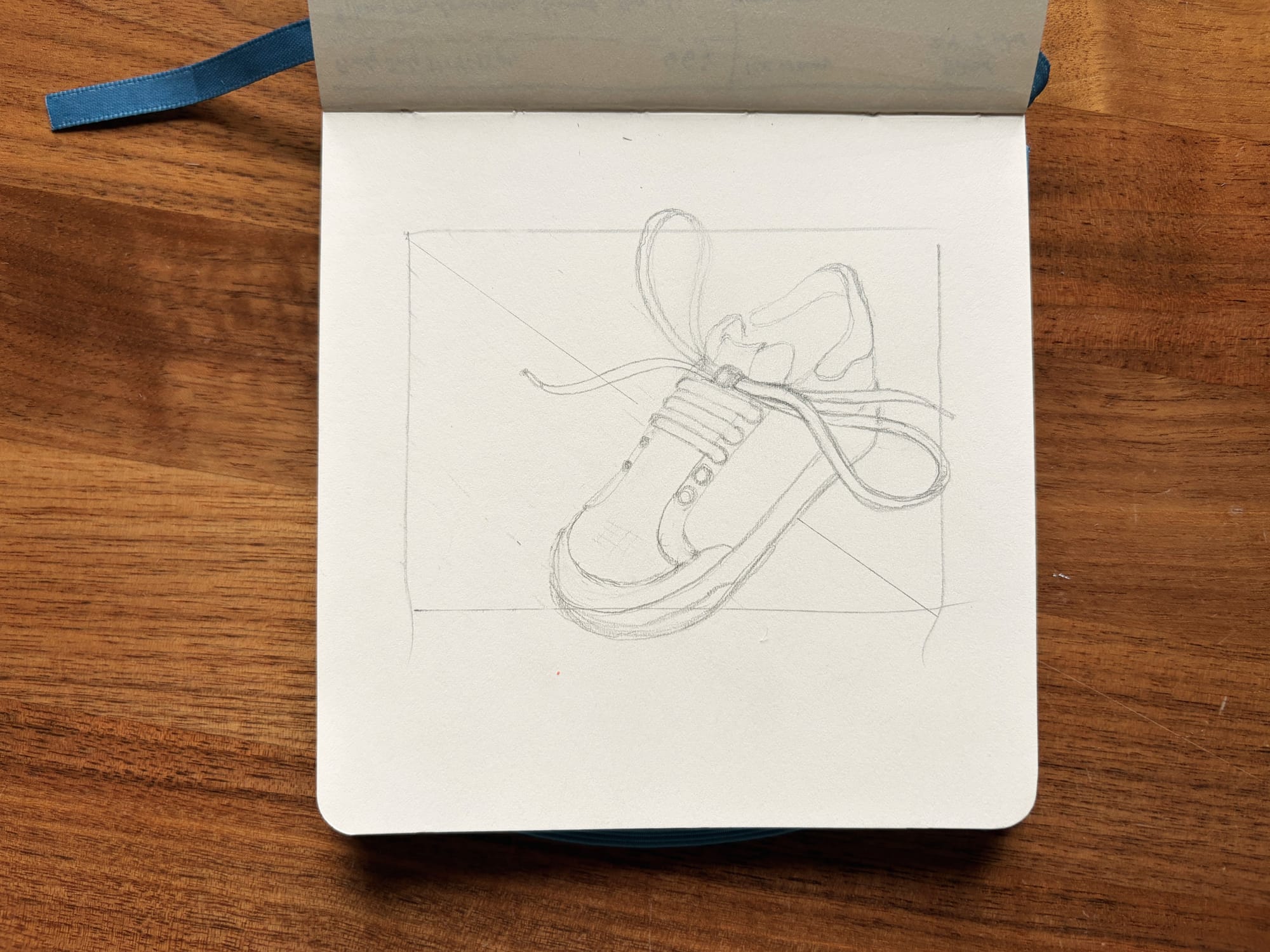
Sneaker modifications. There is a particular make and brand of sneaker that I once bought ritually. Every year — same color, same size (10.5), same style. It made the decision-making process for new sneakers very easy. And then, after being in production since forever, they went absent from the market.
This is the Adidas Rod Laver tennis sneaker. A minimalist sneaker, originally designed in the 1970s. The style only comes in two colors — green and navy. What I love about the sneaker, other than its simplicity and reliability, is that it has become famous for a sport well beyond its original design. Hacky sack. Or, the more imaginative nomenclature — “footbag.” When I lived in Manhattan for a summer, I would walk through Washington Square and see the hacky sack guys uniformly wearing modified Rod Lavers.
According to footbag.org — Before you use your Lavers, you must make a few basic modifications to the shoes to make them right for freestyle (if you don't make these modifications, you may not enjoy this shoe – but once you make them, your life will change and you will find eternal joy in footbag freestyle).
The toe box has a scoop shape that makes it perfect for stalls. And while originally designed for tennis, I don’t think I’ve ever actually seen someone wearing them for that sport. But for hacky sack, it’s a classic choice.
As far as I know, Adidas has never embraced the alternative use of the footwear. There is an Adidas brand hacky sack and yet, no connection to the Laver? The sneakers are recently back on the market. This is a campaign waiting to happen.
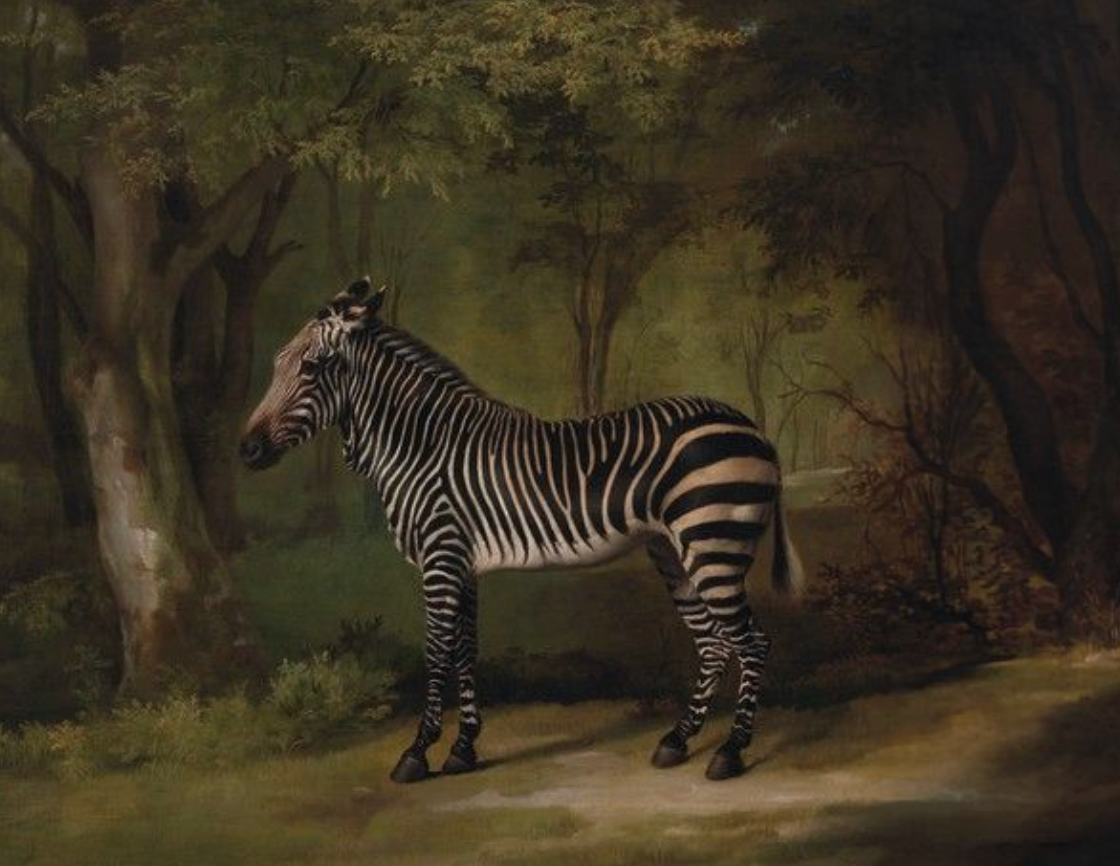
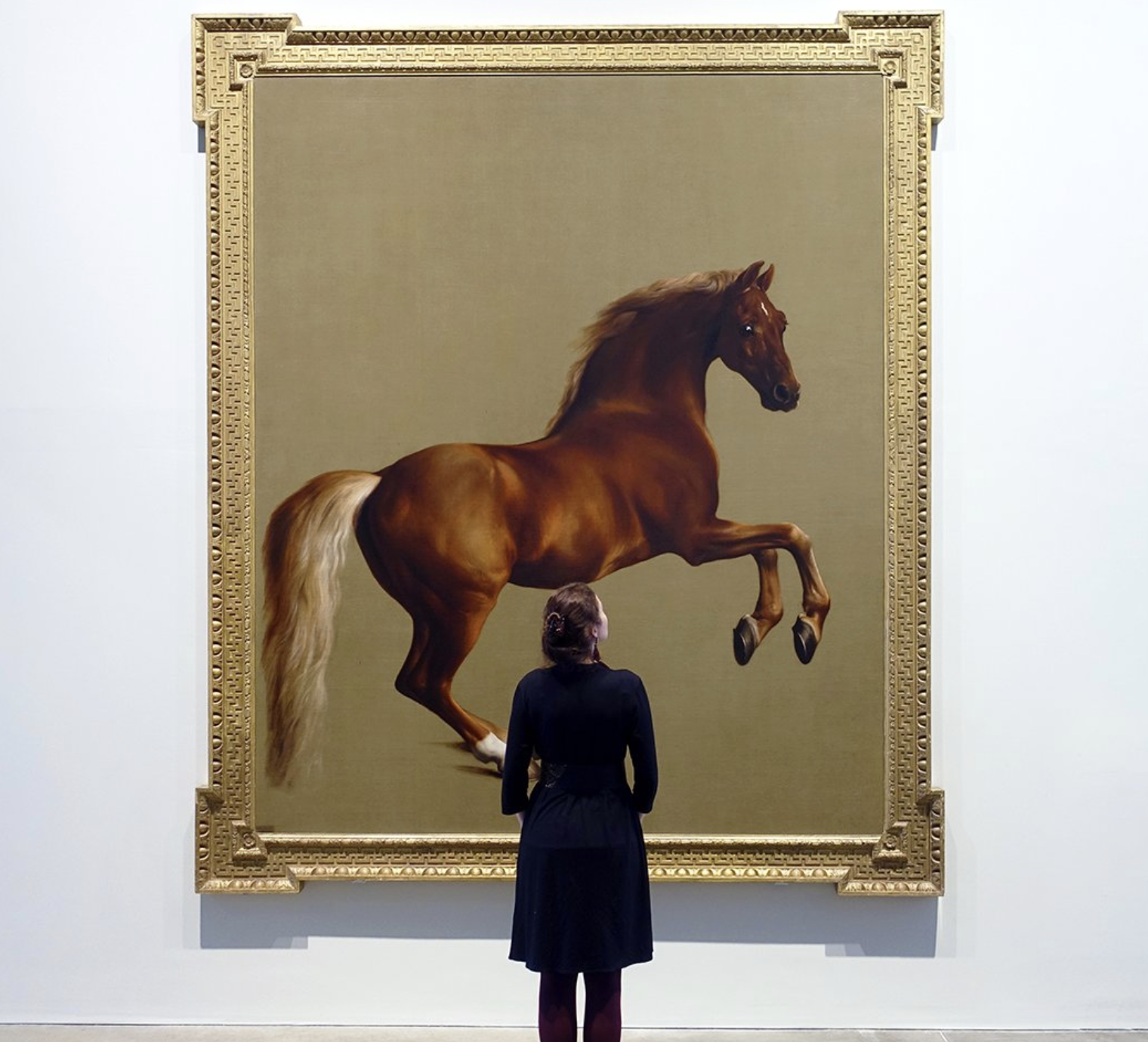
So says Andrew Graham Dixon, eminent art historian, in what may be the greatest podcast ever made about Johannes Vermeer. I’ve only heard one, but I find it hard to believe a better one exists. The Zebra is by George Stubbs, on view at the Yale Center for British Art.
It’s a zebra.
Right?
Dixon again: Stubbs is trying to understand how the world works, and Stubbs understands the miracle. He really sees it as a miracle. It’s very interesting. In Stubbs’s later engravings, he seems to work his way toward the beginnings of the Darwinian theory of evolution because he’s done a lot of dissection, and he’s beginning to see that there are similarities in the way that a chicken’s hips are formed to the way that human hips are formed.
He’s beginning to wonder whether there might not be some contiguity of relationship between the different animal species. It’s very near the end of his life, so of course, he never pushes forward to it. I believe it’s not entirely eccentric to see the currents of thought that led Stubbs to those ideas as being contributory to the great river of Darwinian theory that’s going to come about 50 years later. I think he’s confronting that mystery of existence and of species and who we are, and maybe we can understand who we are through looking at a horse.
You don’t know how glad I am. This is a particularly good version of this song. Originally sung by Nancy Wilson, it’s a song with a melody that bounces around the hall, perfectly suited for this harmonically gifted girl group. Lyrically, it’s a well covered topic, but I like the transcendental, out-of-body allusions of the pop song’s first couple lines—
My love has no beginning, my love has no end
No front or back and my love won't bend
The Living Sisters are a harmony driven, choir-like project specializing in American music covers from the 50s and early 60s, a time of cultural sincerity and optimism. In just a few years, culture would look very different. I also like this strange and haunting interpretation from Shijo X, an Italian musician with 144 followers on Spotify.
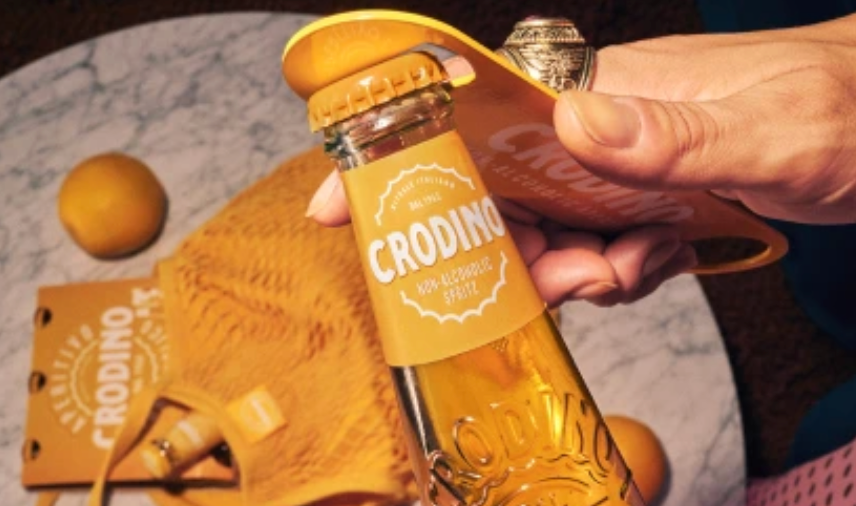
Crodino is an italian soda that comes in a tiny glass bottle that will feel miniature to Americans accustomed to big-gulp-sized refreshments. Served icy cold, it is a perfect little drink. Bitter yet sweet and aromatically complex with Alpine herbs, it’s a soda for people who don’t like soda. I like the amber-hued version.
—Michael Neault • Friday July 31, Chicago • Written (and illustrated) in the early hours • Reply to this email with remarks